


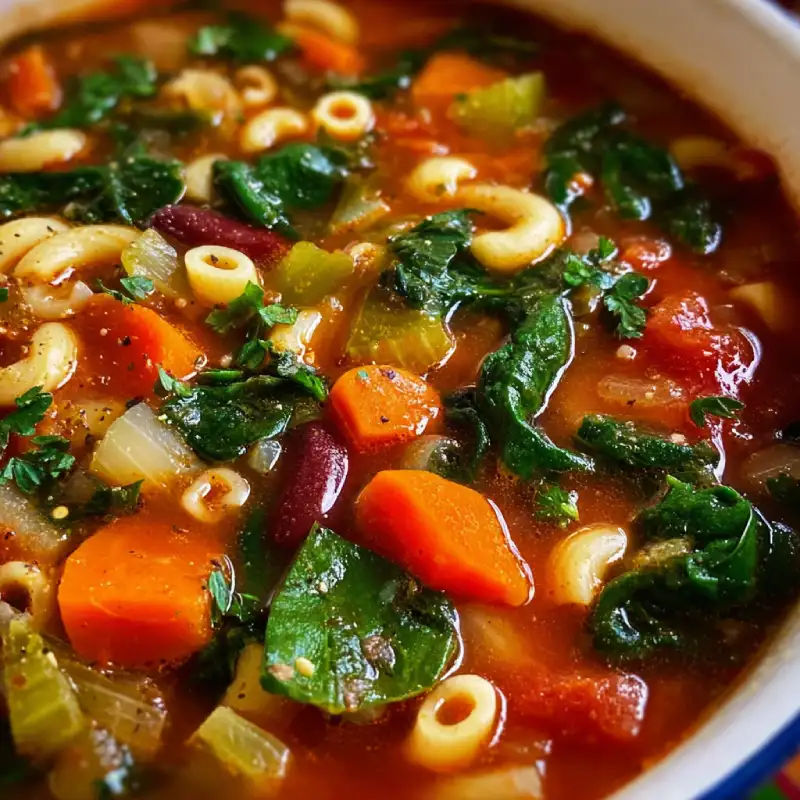

Ah, Olive Garden Minestrone Soup! That comforting, vegetable-packed classic that warms you from the inside out. With its rich, savory broth, tender pasta, and a medley of vibrant vegetables, it’s a dish that feels both wholesome and incredibly satisfying. Today, I’m thrilled to share my authoritative recipe to recreate that beloved Olive Garden magic right in your own kitchen. Get ready for a symphony of flavors and textures that will transport you straight to your favorite Italian-American restaurant!
Table of Contents
- Make Olive Garden Minestrone at Home: Your Go-To Recipe
- Why This Recipe Works: Achieving the Perfect Minestrone
- Key Ingredients & Smart Substitutions for Perfect Minestrone
- Step-by-Step: Crafting Your Homemade Olive Garden Minestrone
- Expert Tips for Minestrone Success
- What to Serve with Your Minestrone Soup
- Storing & Reheating Your Minestrone
- Olive Garden Minestrone Soup FAQ
Make Olive Garden Minestrone at Home: Your Go-To Recipe
Imagine a bowl brimming with perfectly cooked pasta, a vibrant array of tender vegetables, and a herbaceous broth that sings with Italian flair. That’s precisely what you’ll achieve with this recipe for Olive Garden Minestrone Soup. It’s more than just a soup; it’s a bowl of heartiness and comfort, perfect for any season. The beauty of minestrone lies in its simplicity and the quality of its ingredients, and I promise, this recipe captures that authentic, crave-worthy flavor you love.
Why This Olive Garden Minestrone Recipe Delivers Authentic Flavor
This recipe isn’t just about throwing ingredients into a pot; it’s about understanding the nuances that elevate a good minestrone to a great one. We focus on building layers of flavor from the very beginning, ensuring every spoonful is as delicious as the last. It’s a labor of love that pays off in a truly authentic dining experience.
Why This Recipe Works: Achieving the Perfect Minestrone
- Balanced Vegetable-to-Broth Ratio for Hearty Sips: We’ve meticulously balanced the quantity of fresh vegetables with the liquid to ensure a thick, satisfying broth, rather than a watery soup. This creates a wonderfully substantial soup that fills you up without being overly heavy.
- Strategic Herb and Spice Layering for Depth: The secret to that iconic Olive Garden flavor lies in our thoughtful layering of herbs and spices. From sautéing aromatics to a final flourish of fresh basil, each step contributes to a complex and deeply savory profile. We’ll show you how to build a flavor foundation that truly shines.
- Achieving Tender Pasta Without Overcooking: No one wants mushy pasta in their minestrone! Our method ensures the pasta is cooked al dente, adding the perfect bite and texture contrast to the soft vegetables. Timing is everything here, and we’ve got you covered.
- The Right Beans for Creaminess and Texture: Cannellini beans are the unsung heroes of this minestrone, providing a creamy texture and a subtle earthiness that perfectly complements the rich broth and vegetables. They add a wonderful richness and body to the soup.
Key Ingredients & Smart Substitutions for Perfect Minestrone
Here is what you need and why:
Core Vegetables: Classic Minestrone Foundation: Our base includes carrots, celery, onions, zucchini, green beans, and spinach. These aren’t just for color; they provide essential nutrients, natural sweetness, and a lovely variety of textures. Feel free to adjust based on what’s fresh and seasonal. For instance, Swiss chard can be a great substitute for spinach, or bell peppers can add an extra layer of flavor.
Broth Choice: Flavor Impact and Quality: A high-quality vegetable broth is crucial. It forms the backbone of your minestrone, so choose one with good depth of flavor. If you’re not vegetarian, chicken broth also works wonderfully. Look for low-sodium options to control the overall saltiness of your soup.
Pasta Type: Texture and Cooking Considerations: Small pasta shapes like ditalini, elbow macaroni, or small shells are ideal. They cook quickly and are easy to scoop with a spoon. If you prefer, even broken spaghetti or fideo can work. The key is to add the pasta at the right time to avoid it becoming overly soft.
Beans: Why Cannellini are Best (and alternatives): Canned cannellini beans (white kidney beans) are incredibly creamy and mild, making them perfect for minestrone. They add body and a subtle, earthy flavor. If you can’t find cannellini, great northern beans or even chickpeas can be used as a good alternative, though the texture will be slightly different.
Tomato Products: Depth and Acidity: A combination of diced tomatoes and tomato paste builds a robust tomato foundation. The diced tomatoes provide texture and a fresh tomato flavor, while the paste offers concentrated richness and depth. A splash of good quality crushed tomatoes can also be added for extra tomato goodness.
Herbs and Seasonings: The Flavor Builders: We’ll be using fresh garlic, dried oregano, dried basil, a bay leaf, and fresh parsley. These herbs are critical for that signature Italian taste. Don’t skimp on fresh garlic, and remember that fresh herbs, especially basil at the end, can elevate the entire dish. A touch of freshly ground black pepper and a pinch of red pepper flakes (optional) will round out the flavors beautifully. Visit Food Network for more herb inspiration!
Step-by-Step: Crafting Your Homemade Olive Garden Minestrone
Follow these simple steps for a truly incredible soup:
1. Prep Your Vegetables Efficiently
Start by washing and chopping all your vegetables. Dice the carrots, celery, and onions uniformly. Mince the garlic. Cut the zucchini into half-moons and trim the green beans. Having everything prepped before you start cooking makes the process smooth and enjoyable.
2. Sautéing Aromatics: Building the Flavor Base
In a large pot or Dutch oven, heat olive oil over medium heat. Add the chopped onions, carrots, and celery (the ‘soffritto’ base) and sauté for 5-7 minutes until softened and translucent. Add the minced garlic and tomato paste; cook for another minute until fragrant, stirring constantly. This step is essential for building a deep, savory foundation for your soup.
3. Adding Liquids and Tomatoes: Simmer for Depth
Pour in the vegetable broth and introduce the diced tomatoes (undrained). Add the dried oregano, dried basil, and bay leaf. Bring the mixture to a gentle boil, then reduce the heat to low, cover, and let it simmer for at least 15-20 minutes. This simmering time allows the flavors to meld beautifully and the broth to develop its characteristic richness.
4. Introducing Vegetables and Beans: Timing is Key
Add the zucchini, green beans, and rinsed cannellini beans to the simmering soup. Continue to simmer for another 5-7 minutes, or until the vegetables are tender-crisp. You want them cooked but still with a bit of bite. Towards the end, stir in the fresh spinach, allowing it to wilt into the hot soup for just a minute or two.
5. Cooking the Pasta: Prevent Mushiness
If you plan to eat all the soup immediately, add the ditalini pasta directly to the pot during the last 8-10 minutes of simmering, or according to package directions, until al dente. If you anticipate having leftovers, it’s best to cook the pasta separately and add it to individual servings to prevent it from getting mushy in the stored soup.
6. Final Seasoning and Garnish: Taste and Presentation
Remove the bay leaf. Taste the soup and adjust seasonings with salt and freshly ground black pepper as needed. Stir in the fresh chopped parsley. Ladle hot soup into bowls and garnish with extra fresh parsley and a generous sprinkle of grated Parmesan cheese. A drizzle of good quality extra virgin olive oil can also be a nice touch.
Expert Tips for Minestrone Success
- Don’t Overcook the Pasta: Al Dente is Best: Overcooked pasta is the nemesis of great minestrone. Cook it just until it has a slight chew. If making ahead, cook pasta separately and add to bowls just before serving.
- Adjust Seasoning Throughout Cooking: Taste often! Broths can vary in sodium, and vegetables absorb salt. Adjust salt and pepper as you go, especially after adding all ingredients and just before serving.
- Fresh Herbs for Maximum Flavor Boost: While dried herbs build the base, fresh parsley and basil stirred in at the end make a world of difference. The bright, clean flavor of fresh herbs truly elevates the Olive Garden Minestrone Soup experience.
- Preventing Soggy Vegetables: When to Add: Add softer vegetables like zucchini and spinach later in the cooking process to ensure they retain their texture and vibrant color. Hardy vegetables like carrots and celery can go in earlier to really soften and release their flavors.
What to Serve with Your Minestrone Soup
- Crusty Bread or Breadsticks: Absolutely essential for dipping into that delicious broth! Warm Olive Garden-style breadsticks are, of course, the classic pairing.
- Simple Side Salad: A light, fresh green salad with a vinaigrette dressing provides a lovely contrast to the hearty soup.
- Parmesan Cheese for Garnish: A generous dusting of freshly grated Parmesan or Pecorino Romano cheese adds a salty, umami kick that is simply divine.
Storing & Reheating Your Minestrone
Best Storage Practices for Leftovers
Allow the soup to cool completely before transferring it to airtight containers. Store in the refrigerator for up to 3-4 days. For optimal texture, if you cooked the pasta directly in the soup, the pasta might soften further. To avoid this, consider cooking and storing the pasta separately if you know you’ll have leftovers. For a long-term solution, this Minestrone freezes beautifully. Just omit the pasta until reheating.
Reheating Tips to Maintain Quality
Gently reheat minestrone on the stovetop over medium-low heat, stirring occasionally, until warmed through. If the soup has thickened too much, add a splash of vegetable broth or water to reach your desired consistency. If you stored the pasta separately, add it to the warmed soup just before serving. A fresh sprinkle of herbs and cheese upon reheating will bring it back to life! Remember, for more baking and cooking inspiration, see more easy recipes.
Olive Garden Minestrone Soup FAQ
Can I make this soup vegetarian/vegan?
What if I don’t have all the vegetables?
Can I freeze Minestrone soup?
How long does the soup last in the fridge?
Olive Garden Minestrone Soup
- Total Time: 1 hour 5 minutes
- Yield: 8 servings
Description
Recreate the comforting, vegetable-packed classic from Olive Garden in your own kitchen! This recipe delivers authentic flavor with tender pasta and a savory broth.
Ingredients
- 2 tbsp olive oil
- 1 large yellow onion, diced
- 2 carrots, diced
- 2 celery stalks, diced
- 4 cloves garlic, minced
- 1 (6 oz) can tomato paste
- 6 cups vegetable broth
- 1 (14.5 oz) can diced tomatoes, undrained
- 1 tsp dried oregano
- 1 tsp dried basil
- 1 bay leaf
- 1 medium zucchini, halved and sliced
- 1 cup fresh green beans, trimmed and cut into 1-inch pieces
- 1 (15 oz) can cannellini beans, rinsed and drained
- 2 cups fresh spinach, roughly chopped
- 1/2 cup ditalini pasta (or small pasta of choice)
- Salt and freshly ground black pepper to taste
- 1/4 cup fresh parsley, chopped, plus more for garnish
- Grated Parmesan cheese, for serving
Instructions
- 1. Prepare Vegetables: Wash and chop all vegetables as directed. Mince garlic.
- 2. Sauté Aromatics: Heat olive oil in a large pot or Dutch oven over medium heat. Add onion, carrots, and celery; sauté for 5-7 minutes until softened. Add minced garlic and tomato paste; cook for 1 minute until fragrant.
- 3. Simmer Broth: Pour in vegetable broth, diced tomatoes, dried oregano, dried basil, and bay leaf. Bring to a gentle boil, then reduce heat to low, cover, and simmer for 15-20 minutes to meld flavors.
- 4. Add Vegetables and Beans: Add zucchini, green beans, and rinsed cannellini beans to the soup. Simmer for another 5-7 minutes until vegetables are tender-crisp. Stir in spinach and cook for 1-2 minutes until wilted.
- 5. Cook Pasta: If serving immediately, add ditalini directly to the pot and cook for 8-10 minutes, or until al dente. If making ahead, cook pasta separately and add to individual servings.
- 6. Season and Serve: Remove bay leaf. Season with salt and pepper to taste. Stir in fresh parsley. Ladle into bowls, garnish with extra parsley and Parmesan cheese.
- Prep Time: 25 mins
- Cook Time: 40 mins