


Table of Contents
- Intro: A St. Patrick’s Day Tradition, Made Easy
- Why This Recipe Works: Perfectly Tender, Every Time
- Ingredients and Smart Substitutions: What You Need and Why
- Step-by-Step Instructions: Your Visual Guide to Success
- Expert Tips for Success: Elevate Your Corned Beef and Cabbage
- What to Serve With Your Corned Beef and Cabbage
- Storing and Reheating: Enjoying Leftovers
- FAQ: Your Corned Beef Questions Answered
Intro: A St. Patrick’s Day Tradition, Made Easy
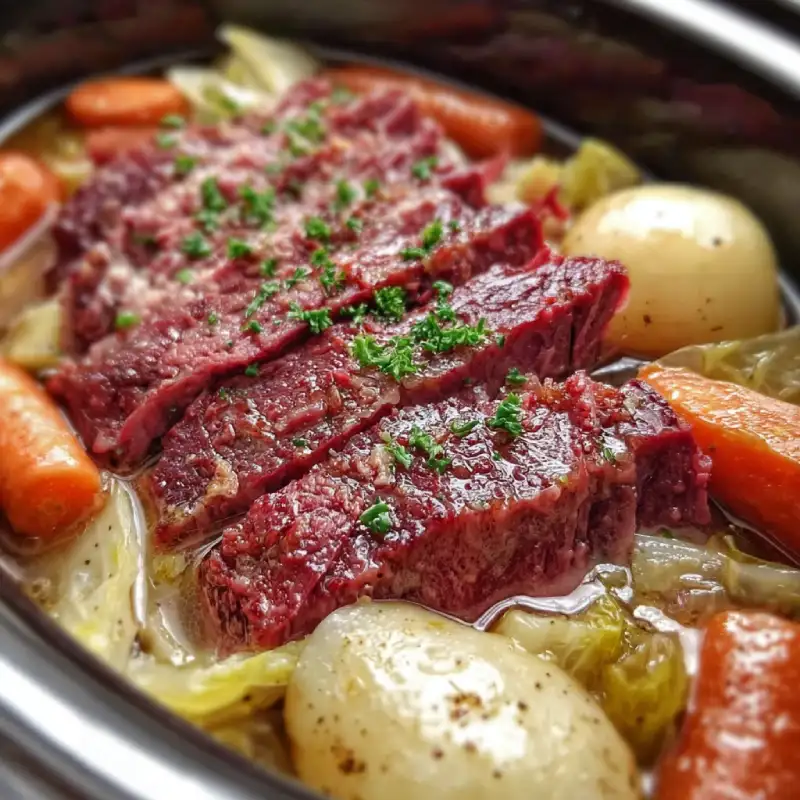
Imagine sinking your teeth into incredibly tender, melt-in-your-mouth corned beef, perfectly seasoned and falling apart with just a fork. Now, picture that alongside sweet, braised cabbage and hearty root vegetables, all infused with a rich, savory broth. That’s exactly what you get with our Cozy Slow Cooker Corned Beef and Cabbage recipe! This dish isn’t just a meal; it’s a comforting embrace, a celebration of flavor, and a testament to how easy truly delicious food can be. Forget dry, tough corned beef – this recipe guarantees a succulent, flavorful experience that will have everyone asking for seconds.
How This Recipe Became a Family Favorite
For years, St. Patrick’s Day meant a mad dash in the kitchen, trying to juggle a simmering pot on the stove and all the side dishes. Then, I discovered the magic of the slow cooker for corned beef. It transformed a somewhat stressful holiday meal into a relaxed, enjoyable tradition. The first time I served this slow cooker version, my family raved about how tender the beef was and how flavorful the vegetables had become. It quickly became our go-to, not just for St. Patrick’s Day, but whenever we craved that comforting, hearty meal.
Why the Slow Cooker is Your Best Friend for Corned Beef
The slow cooker is an absolute game-changer for corned beef. It provides a consistent, low heat environment that slowly breaks down the tough fibers in the brisket, resulting in unparalleled tenderness. Plus, it allows all the flavors from the spices and vegetables to meld together beautifully over hours, creating a depth of flavor you just can’t achieve with faster cooking methods. It’s truly a set-it-and-forget-it marvel, freeing you up to enjoy your day while dinner practically cooks itself.
Why This Recipe Works: Perfectly Tender, Every Time
- Melt-in-Your-Mouth Corned Beef: The Secret to Tenderness: The long, slow cooking process in a moist environment is the ultimate secret. It gently breaks down the connective tissues in the brisket, transforming it into incredibly tender, shreddable meat that practically melts in your mouth.
- Flavorful Vegetables: Infused, Not Just Cooked: Unlike boiling, where flavors can leach out, slow cooking allows the vegetables to braise in the rich, spiced liquid alongside the beef. This infuses them with incredible savory notes, making them an integral part of the dish’s overall deliciousness.
- Minimal Effort, Maximum Flavor: Set it and Forget It: This recipe truly embodies the slow cooker’s promise. With just a little prep, you can walk away and let the appliance do all the hard work, returning hours later to a perfectly cooked, deeply flavorful meal.
Ingredients and Smart Substitutions: What You Need and Why
Here is what you need and why:
Corned Beef Brisket: Flat Cut vs. Point Cut (and why it matters): You’ll typically find corned beef in two cuts: flat cut and point cut. The flat cut (also known as the “plate” or “first cut”) is leaner, has a more uniform shape, and slices beautifully, making it ideal for serving. The point cut (or “second cut”) is fattier, has more marbling, and tends to shred more easily. For this slow cooker recipe, either will work wonderfully, but if you prefer neat slices, go for the flat cut. The fat in the point cut will render down and add even more flavor and moisture.
Cabbage: Green Cabbage is Key, but How to Choose: Classic green cabbage is the star here. Look for a head that feels heavy for its size, with crisp, vibrant green outer leaves. Avoid any with wilting, discoloration, or soft spots. You’ll want to cut it into wedges that are substantial enough to hold their shape during cooking.
Root Vegetables: Potatoes, Carrots, Onions – Essential for Flavor and Texture: These aren’t just fillers; they’re crucial for the dish’s flavor profile and hearty texture. Potatoes (Yukon Gold or red potatoes work best as they hold their shape) absorb the delicious braising liquid. Carrots add a touch of sweetness and vibrant color. Onions provide a foundational savory base. Don’t skimp on these!
Broth or Water: Enhancing the Braising Liquid: While the corned beef comes with its own pickling liquid, adding a bit of low-sodium beef broth or even just water helps create enough liquid for braising and dilutes some of the saltiness from the beef. I prefer broth for an extra layer of savory depth.
Spices and Pickling Spice Packet: The Flavor Profile Explained: Most corned beef briskets come with a small packet of pickling spices, which typically includes peppercorns, mustard seeds, coriander seeds, bay leaves, and sometimes cloves or allspice. These spices are essential for that distinctive corned beef flavor. If your brisket doesn’t come with one, you can easily find pre-made pickling spice blends in the spice aisle or make your own. You might also add a few extra bay leaves or a pinch of black pepper for good measure.
Step-by-Step Instructions: Your Visual Guide to Success
Follow these step-by-step photos:
1. Preparing the Corned Beef: Rinsing and Trimming
First things first, unwrap your corned beef brisket. You’ll notice it’s packed in a brine. It’s crucial to rinse the brisket thoroughly under cold running water for several minutes. This helps remove excess salt from the curing process, preventing your final dish from being overly salty. Pat it dry with paper towels. Next, inspect the brisket for any large, thick pieces of fat. While some fat adds flavor and moisture, excessive amounts can make the dish greasy. Trim off any overly thick fat caps, leaving about a quarter-inch layer. This step ensures a balanced flavor and texture.
2. Layering the Vegetables: Strategic Placement for Even Cooking
Prepare your root vegetables: peel and chop the potatoes into large, roughly 1.5-inch chunks. Peel and slice the carrots into thick rounds or large chunks. Peel and quarter the onion. Place the chopped onions, carrots, and potatoes at the bottom of your slow cooker. This strategic layering allows them to cook slowly in the flavorful liquid, absorbing all the deliciousness from the beef and spices, and also creates a bed for the corned beef to rest on, preventing it from sticking to the bottom.
3. Adding Liquids and Spices: Building the Flavor Base
Place the rinsed and trimmed corned beef brisket directly on top of the bed of vegetables in the slow cooker. Open the pickling spice packet that came with your corned beef and sprinkle the contents evenly over the brisket and vegetables. If you’re adding extra spices like bay leaves, now is the time. Pour in the beef broth (or water) around the beef and vegetables. The liquid should come up about halfway to two-thirds of the way up the brisket. You don’t need to fully submerge it, as the slow cooker creates a steamy environment that will cook the top portion.
4. Slow Cooking Time and Temperature: The Patience Pays Off
Cover your slow cooker with the lid. Cook on LOW for 7-9 hours or on HIGH for 4-5 hours. The exact timing will depend on the size of your brisket and your slow cooker. The goal is for the corned beef to be fork-tender, meaning a fork should easily slide into and out of the meat with little resistance. Resist the urge to lift the lid frequently, as this releases heat and extends the cooking time. Patience is key here for that perfectly tender result!
5. Adding the Cabbage: Timing for Perfect Tenderness
About 1 to 1.5 hours before the end of the cooking time, remove the lid. Carefully add the cabbage wedges to the slow cooker, nestling them among the beef and other vegetables. You want the cabbage to cook until it’s tender but still has a slight bite, not mushy. If you add it too early, it will overcook. Replace the lid and continue cooking until the cabbage is tender and the corned beef is perfectly done. Once cooked, carefully remove the corned beef to a cutting board to rest, and scoop out the vegetables.
Expert Tips for Success: Elevate Your Corned Beef and Cabbage
- Don’t Skip the Rinse: Why It Matters: Rinsing the corned beef brisket thoroughly is crucial to remove excess salt from the curing process. This prevents your final dish from being overwhelmingly salty and allows the other flavors to shine.
- Cutting Vegetables Uniformly: Ensuring Even Cooking: Cut your potatoes, carrots, and onions into roughly similar-sized pieces (about 1.5 inches). This ensures they cook evenly and become tender at the same rate, preventing some from being undercooked while others turn to mush.
- Resting the Meat: The Key to Juicy Slices: Once the corned beef is cooked, transfer it to a cutting board and tent it loosely with foil. Let it rest for at least 10-15 minutes before slicing. This allows the juices to redistribute throughout the meat, resulting in a much juicier and more flavorful slice. Always slice against the grain for maximum tenderness.
- Deglazing the Pot (Optional, for Extra Flavor Sauce): How and When: After removing the beef and vegetables, you’ll have a flavorful liquid remaining in the slow cooker. You can strain this liquid, skim off any excess fat, and then reduce it slightly on the stovetop to create a rich, savory sauce to serve alongside your meal. This adds an extra layer of gourmet touch!
- Don’t Overcrowd Your Slow Cooker: Ensure there’s enough space for the heat to circulate and for all ingredients to be partially submerged in liquid. An overcrowded slow cooker can lead to uneven cooking.
What to Serve With Your Corned Beef and Cabbage
Classic Sides: Mustard and Horseradish
No plate of corned beef and cabbage is complete without a dollop of good quality mustard and a kick of prepared horseradish. The tangy, pungent flavors of these condiments cut through the richness of the beef and complement the sweetness of the cabbage beautifully. A coarse-grain Dijon or a spicy brown mustard are excellent choices.
Beyond the Basics: Rye Bread, Soda Bread, or Apple Sauce
For a truly authentic experience, serve your Cozy Slow Cooker Corned Beef and Cabbage with slices of hearty rye bread or a warm, crusty Irish soda bread. These breads are perfect for soaking up all the delicious juices. For a surprising twist that many enjoy, a side of homemade applesauce can add a lovely sweet and tart contrast to the savory meal. You can also find more delicious ideas for side dishes and desserts on My Cakes Recipes.
Storing and Reheating: Enjoying Leftovers
Best Practices for Refrigeration
Leftover corned beef and cabbage are often even better the next day! Allow the dish to cool completely before transferring it to airtight containers. Store the beef, cabbage, and vegetables separately if possible, or together in a single container. Refrigerate promptly and consume within 3-4 days. For longer storage, corned beef can be frozen for up to 2-3 months. Wrap slices tightly in plastic wrap and then foil, or place in freezer-safe bags.
Reheating Methods: Microwave, Stovetop, or Oven
Microwave: For quick reheating, place individual portions of beef and vegetables on a microwave-safe plate. Add a splash of broth or water, cover, and heat on medium power until warmed through, stirring occasionally. Be careful not to overcook the cabbage.
Stovetop: For larger quantities or to retain moisture, gently reheat the beef and vegetables in a pot or skillet over medium-low heat with a little beef broth or water. Cover and stir occasionally until heated through.
Oven: To reheat a larger portion of beef, place it in an oven-safe dish with a little broth, cover with foil, and warm in a preheated oven at 300°F (150°C) until heated through. Add the vegetables during the last 10-15 minutes of reheating.
Frequently Asked Questions
Can I use a different cut of beef?
How do I prevent the cabbage from getting mushy?
What if my corned beef is still tough?
Can I make this recipe in a pressure cooker?
Cozy Slow Cooker Corned Beef and Cabbage
- Total Time: 15 minute
- Yield: 6-8 servings
Description
Discover the deliciousness of our Cozy Slow Cooker Corned Beef and Cabbage. This easy to make recipe offers the best flavor with step-by-step instructions.
Ingredients
- 3–4 lb corned beef brisket (flat or point cut), with spice packet
- 1 large head green cabbage, cut into 6–8 wedges
- 1.5 lbs small red or Yukon Gold potatoes, scrubbed and quartered
- 1 lb carrots, peeled and cut into 1-inch chunks
- 1 large yellow onion, quartered
- 4 cups low-sodium beef broth or water
- Optional: 2-3 bay leaves
- Optional: Prepared mustard and horseradish for serving
Instructions
- 1. Prepare the Corned Beef: Rinse the corned beef brisket thoroughly under cold water to remove excess salt. Pat dry with paper towels. Trim any excessively thick fat layers, leaving about 1/4 inch.
- 2. Layer Vegetables: Place the quartered onion, carrot chunks, and potato quarters at the bottom of a large slow cooker.
- 3. Add Beef and Spices: Place the rinsed corned beef brisket on top of the vegetables. Sprinkle the contents of the pickling spice packet (and optional bay leaves) over the beef and vegetables. Pour the beef broth (or water) into the slow cooker, ensuring the liquid comes up about halfway to two-thirds of the way up the brisket.
- 4. Slow Cook: Cover the slow cooker and cook on LOW for 7-9 hours or on HIGH for 4-5 hours, until the corned beef is fork-tender.
- 5. Add Cabbage: About 1 to 1.5 hours before the end of the cooking time, add the cabbage wedges to the slow cooker, nestling them among the beef and other vegetables. Replace the lid and continue cooking until the cabbage is tender-crisp.
- 6. Rest and Serve: Carefully remove the corned beef to a cutting board and tent loosely with foil. Let it rest for 10-15 minutes before slicing against the grain. Scoop out the vegetables. Serve the sliced corned beef with the vegetables, and a side of mustard and horseradish, if desired.
- Prep Time: 15 mins
- Cook Time: 7-9 hours (low) or 4-5 hours (high)