


Table of Contents
- Zabaglione: The Easiest Way to Make This Classic Italian Dessert
- How This Zabaglione Recipe Works
- Ingredients and Smart Substitutions for Zabaglione
- How to Make Zabaglione
- Expert Tips for Zabaglione Success
- What to Serve With Zabaglione
- Storing and Reheating Zabaglione
- Zabaglione FAQs
Zabaglione: The Easiest Way to Make This Classic Italian Dessert
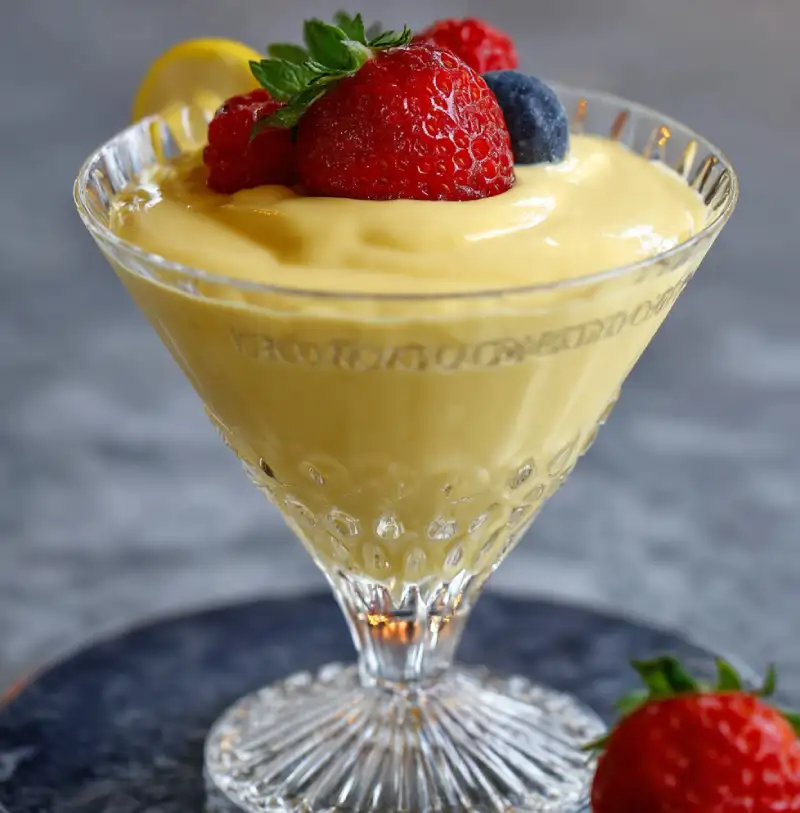
Imagine a cloud. Now imagine that cloud is infused with a delicate sweetness, a gentle warmth, and a hint of intoxicating wine, melting on your tongue with an unparalleled creaminess. That, my friends, is Zabaglione. This classic Italian dessert, often overlooked for more complex confections, is a true revelation. My first taste of Zabaglione was a revelation – a silky, ethereal custard served warm with fresh berries, it completely won me over with its elegant simplicity and profound flavor. It’s a dessert that feels incredibly luxurious, yet is surprisingly easy to create right in your own kitchen. If you’re looking to elevate your dessert game without spending hours slaving over a hot stove, then this Zabaglione recipe is absolutely perfect for you. It delivers on richness, texture, and that undeniable ‘wow’ factor with minimal fuss. For more culinary inspiration and delightful dessert ideas, be sure to See more easy recipes right here on our blog!
How This Zabaglione Recipe Works
This recipe isn’t just easy; it’s designed for consistent success, creating a Zabaglione that perfectly embodies the dessert’s renowned characteristics.
- Velvety Smooth Texture: The continuous whisking over a gentle heat emulsifies the egg yolks with the sugar and wine, resulting in a custard that is unbelievably smooth and free of any graininess.
- Rich, Boozy Flavor: We don’t skimp on the Marsala! This dry, fortified wine is the quintessential flavor of Zabaglione, providing an aromatic depth and sophisticated booziness that is both comforting and exhilarating.
- Airy and Light Consistency: The vigorous whisking incorporates air into the egg mixture, transforming it into a light, foamy, and voluminous cream that feels like eating a dessert cloud.
- Quick and Simple Technique: With just a few key ingredients and a straightforward double-boiler method, you’ll be enjoying homemade Zabaglione faster than you might think, making it perfect for last-minute entertaining or a spontaneous treat.
Ingredients and Smart Substitutions for Zabaglione
Here is what you need and why:
Egg Yolks: The Foundation: These are the heart and soul of your Zabaglione. They provide the rich flavor, the luscious texture, and the emulsifying power. Always use large, fresh, high-quality eggs for the best results. There’s no real substitute for egg yolks in this recipe, so embrace their golden goodness!
Sugar: Sweetness and Structure: Granulated sugar not only sweetens the Zabaglione but also helps to stabilize the egg yolks as they cook, preventing them from curdling. It also contributes to the volume and airy texture as it dissolves and incorporates air during whisking. Superfine sugar can also be used for even quicker dissolving, but standard granulated works perfectly.
Marsala Wine: The Signature Flavor: This is non-negotiable for authentic Zabaglione! Marsala is a fortified wine from Sicily, and its distinct nutty, caramel notes are what define this dessert. I recommend using a dry or semi-dry Marsala, not a sweet cooking Marsala, for the best balance of flavor. If you find yourself in a pinch, a dry sherry or even a sweet white wine like Moscato can be used, though the flavor profile will be different. For guidance on selecting the best Marsala, take a look at Food Network’s guide to Marsala wines.
Pinch of Salt: Flavor Enhancer: Just a tiny pinch of fine sea salt helps to balance the sweetness and brings out the complex flavors of the Marsala and egg yolks. Don’t skip it!
Optional Flavorings: While classic Zabaglione is perfect as is, you can experiment! A tiny hint of vanilla extract (added off the heat), a touch of orange zest, or even a tablespoon of a complementary liqueur (like Grand Marnier) can add an interesting twist. Just be mindful not to overpower the delicate Marsala.
How to Make Zabaglione
Follow these step-by-step instructions to achieve Zabaglione perfection:
1. Set Up Your Double Boiler
Find a heatproof bowl (stainless steel or glass) that fits snugly over a saucepan without touching the water. Fill the saucepan with about 1-2 inches of water, ensuring the bottom of your mixing bowl won’t come into contact with it. Bring the water to a gentle simmer over medium-low heat. The steam, not direct heat, will cook your Zabaglione.
2. Combine Ingredients in Bowl
Separate your eggs carefully, ensuring no specks of yolk get into your whites (save those for meringues!). In your heatproof bowl, whisk together the egg yolks, granulated sugar, Marsala wine, and the pinch of salt until well combined and slightly pale. The mixture might look a bit thin at this stage, but don’t worry, it will thicken beautifully.
3. Whisk Continuously Over Heat
Place the bowl over your simmering water. Begin whisking vigorously and continuously. This is crucial! You’ll want to whisk non-stop, reaching all areas of the bowl, ensuring the egg mixture cooks evenly and doesn’t scramble. The mixture will gradually become foamy and start to increase in volume.
4. Achieve Perfect Consistency
Continue whisking for about 7-10 minutes, or until the Zabaglione has thickened considerably, is pale yellow, and forms ribbons when the whisk is lifted. It should be light, airy, and hold soft peaks, similar to a very light custard or sabayon. If you have a thermometer, it should reach about 160-170°F (71-77°C). Immediately remove the bowl from the heat once it reaches this stage.
5. Serve Immediately
Zabaglione is best served moments after it’s made. Divide it among individual serving glasses, bowls, or even espresso cups. Its delicate structure and warmth are truly at their peak in these first few minutes.
Expert Tips for Zabaglione Success
- Use Fresh Eggs: The fresher your eggs, the better your Zabaglione will turn out. Fresh yolks are stronger and will emulsify more effectively, resulting in a superior texture.
- Control the Heat: The key is gentle, indirect heat. A rolling boil under your double boiler is too much; it should be a steady, gentle simmer. Too much heat will scramble your eggs.
- Whisk Vigorously and Continuously: Your arm might get a workout, but this is non-negotiable! Constant whisking prevents the eggs from setting unevenly and incorporates the essential air for that light, foamy texture.
- Don’t Overcook: As soon as the Zabaglione forms thick ribbons and achieves the desired volume, remove it from the heat. Continuing to cook will make it too thick, or worse, cause it to curdle.
- Serve Warm or Chilled: While traditionally served warm, Zabaglione can also be enjoyed chilled. If serving cold, transfer to a serving dish and chill for at least an hour. It will firm up slightly but retain its delightful flavor.
What to Serve With Zabaglione
Zabaglione is a versatile dessert that pairs beautifully with a variety of accompaniments, enhancing its delicate flavor profile.
- Fresh Berries: This is a classic pairing for a reason! The tartness of fresh strawberries, raspberries, blueberries, or mixed berries cuts through the richness of the Zabaglione, creating a refreshing contrast.
- Biscotti or Ladyfingers: These crunchy cookies are perfect for dipping into the creamy Zabaglione, adding textural interest and complementing the subtle flavors.
- Cake or Pastries: A plain pound cake, a slice of sponge cake, or even a light croissant can be enjoyed alongside or drizzled with Zabaglione.
- Fruit Tart: Serve a dollop of warm Zabaglione over a cold fruit tart for a delightful temperature and texture contrast.
- A Shot of Espresso: For an Italian after-dinner experience, a small glass of Zabaglione and a strong espresso are a match made in heaven.
Storing and Reheating Zabaglione
While Zabaglione is undeniably at its best enjoyed fresh and warm, sometimes you might have a little leftover, or perhaps you’ve made a slightly larger batch. Here’s what you need to know about keeping it delicious.
Best Served Fresh: There’s no getting around it – the ethereal, airy texture of freshly made, warm Zabaglione is its peak expression. The foam is at its lightest, and the flavors are most vibrant right after whisking. Plan to serve it as soon as it’s ready for the ultimate experience.
Refrigeration Guidelines: If you do have leftovers, transfer the Zabaglione to an airtight container and refrigerate it immediately. It will keep well in the refrigerator for up to 1-2 days. Be aware that the texture will change; it will become denser and lose much of its original airy volume as it cools. It will still taste delicious, just with a different mouthfeel.
Reheating (Not Recommended): Reheating Zabaglione is generally not recommended. The delicate emulsion of egg yolks can easily break, leading to a curdled or scrambled texture. If you must attempt it, do so very, very gently over a double boiler with constant, gentle whisking, and remove it from the heat the moment it becomes lukewarm. It will never fully regain its original freshly made texture, so it’s often best to enjoy chilled leftovers as a denser custard.
Frequently Asked Questions
Can I make Zabaglione without alcohol?
Yes, you can! While Marsala is traditional, you can substitute it with non-alcoholic options. Sweet grape juice, sparkling cider, or even non-alcoholic dry white wine can work, though the flavor profile will, of course, be different from the classic Marsala version. What’s the best type of Marsala wine to use?
For the most authentic and balanced flavor, I recommend using a dry or semi-dry Marsala wine. Avoid generic ‘cooking Marsala’ which is often overly sweet and contains additives. Look for a Marsala ‘Superiore’ or ‘Fine’ for a superior flavor. Why is my Zabaglione runny or curdled?
If it’s runny, it likely hasn’t been cooked long enough or whisked vigorously enough to incorporate air and allow the eggs to thicken. If it’s curdled, the heat was too high, causing the egg yolks to scramble instead of emulsify. Remember to use gentle, indirect heat from a simmering double boiler and whisk continuously and vigorously. Can I use a stand mixer instead of hand whisking?
While technically possible, a stand mixer is not ideal for making Zabaglione over a double boiler due to the difficulty of keeping it gently heated without direct contact from the water and proper bowl placement. Hand whisking allows for much better control over temperature and ensures all parts of the mixture are evenly cooked, leading to the best texture. It’s a wonderful arm workout!