


Table of Contents
- Unlock Authentic Flavor: Your Go-To Japanese Carrot Ginger Dressing
- Why This Recipe Delivers on Taste and Texture
- Essential Ingredients & Smart Swaps
- Step-by-Step: Making Your Japanese Carrot Ginger Dressing
- Expert Tips for a Perfect Dressing Every Time
- Beyond the Salad Bowl: What to Serve With Your Dressing
- Storage and Longevity: Keep It Fresh
- FAQs About Japanese Carrot Ginger Dressing
Unlock Authentic Flavor: Your Go-To Japanese Carrot Ginger Dressing
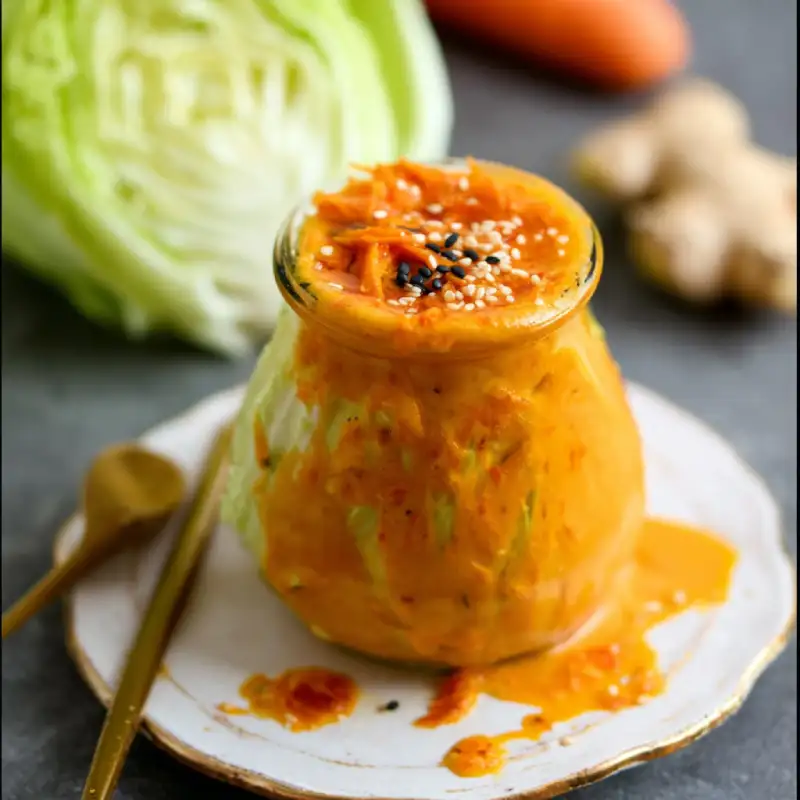
Get ready to transform your salads, marinate your proteins, and impress your taste buds with a homemade dressing that’s bursting with fresh, vibrant flavor! This Japanese carrot ginger dressing is a revelation – think of that delightful, creamy orange dressing you get at your favorite Japanese steakhouse, but even better because it’s made right in your kitchen with fresh, wholesome ingredients. It’s sweet, tangy, and has that undeniable kick of ginger that makes everything sing.
Why You Need This Dressing in Your Life
Honestly? Because it’s a game-changer! Forget those store-bought versions laden with preservatives. This homemade Japanese carrot ginger dressing is incredibly versatile, surprisingly easy to whip up, and will elevate even the simplest green salad into a culinary experience. It’s also a fantastic way to sneak some extra veggies into your diet in the most delicious way possible. Once you try it, there’s no going back!
Why This Recipe Delivers on Taste and Texture
- Creamy Consistency, No Mayo: We achieve that lush, smooth texture using fresh carrots and oil, making it naturally dairy-free and wonderfully light without relying on heavy mayonnaise.
- Balanced Sweet and Tangy Profile: The natural sweetness of carrots combined with a touch of sweetener (optional) perfectly harmonizes with the bright acidity of rice vinegar, creating a truly delightful balance.
- Fresh Ginger Kick, Not Overpowering: This recipe highlights the zesty, pungent notes of fresh ginger without letting it dominate. It’s just enough to add warmth and a subtle, invigorating spice.
- Bright, Vibrant Color: The star of the show, fresh carrots, not only provide incredible flavor but also a gorgeous, appetizing orange hue that makes any dish look appealing.
Essential Ingredients & Smart Swaps
Here is what you need and why:
Carrots: The Sweet Base (Why Fresh Matters): Choose firm, bright orange carrots for the best flavor and natural sweetness. Fresh carrots are crucial here as they form the bulk of the dressing and contribute significantly to its texture and color. Avoid pre-shredded carrots, which can be dry and lack flavor.
Ginger: Beyond Flavor (Why Fresh is Key): Fresh ginger is non-negotiable! Its zingy, spicy, and aromatic qualities are what give this Japanese carrot ginger dressing its signature kick. Powdered ginger simply won’t yield the same vibrant taste. Peel it well to avoid any bitterness.
Rice Vinegar: The Tangy Balance: This mild, slightly sweet vinegar is the perfect choice for Japanese-inspired dressings. It provides that essential tangy brightness without being overly harsh. Do not substitute with white vinegar, which is too strong.
Soy Sauce: Umami Depth (Low-Sodium Option): Soy sauce adds a crucial layer of savory umami that rounds out all the flavors. If you’re watching your sodium intake, feel free to use a low-sodium soy sauce without compromising on flavor.
Sesame Oil: Aromatic Finish (Toasted vs. Untoasted): Toasted sesame oil is what you want here. Its rich, nutty aroma is incredibly important for that authentic Japanese flavor profile. Untoasted sesame oil has a milder flavor and won’t give you the same depth.
Neutral Oil: Emulsification King (Why Canola/Vegetable Works): A neutral-flavored oil like canola, vegetable, or grapeseed oil is used to emulsify the dressing, creating its creamy texture. It has a high smoke point and won’t impart any unwanted flavors. Extra virgin olive oil is too strong for this delicate dressing.
Optional: Maple Syrup/Honey (Subtle Sweetness): While carrots provide natural sweetness, a touch of maple syrup or honey can enhance the overall balance, especially if your carrots aren’t super sweet. Adjust to your preference.
Optional: Shallot/Garlic (For Aromatic Complexity): A small piece of shallot or a tiny clove of garlic can add an extra layer of aromatic complexity to the dressing. Use sparingly so it doesn’t overpower the ginger and carrot flavors.
Step-by-Step: Making Your Japanese Carrot Ginger Dressing
Follow these simple steps to create this incredible dressing:
1. Prep the Produce: Peel and Chop for Smooth Blending
Start by peeling your carrots and fresh ginger. Chop the carrots into roughly 1-inch pieces. For the ginger, you can chop it rough or even grate it slightly first to help with blending and flavor extraction later.
2. Combine Initial Ingredients: Blender or Food Processor?
Place the chopped carrots, ginger, rice vinegar, soy sauce, and sesame oil (and optional maple syrup/honey, shallot/garlic if using) into a high-speed blender or food processor. A blender will typically yield a silkier consistency, but a food processor works perfectly well too.
3. Blend Until Smooth: Achieving the Right Consistency
Begin blending the ingredients. Scrape down the sides as needed. Blend until the mixture is as smooth as possible, with no discernible carrot or ginger chunks. This might take a few minutes, depending on your appliance. The goal is a thick, somewhat pulpy liquid.
4. Slowly Add Oil: The Emulsification Secret
With the blender or food processor running on low, slowly drizzle in the neutral oil in a thin, steady stream. This is the magic step where the dressing emulsifies, becoming beautifully creamy and uniform. Keep blending until all the oil is incorporated and the dressing is smooth and emulsified.
5. Taste and Adjust: Seasoning for Perfection
Now for the best part! Taste your Japanese carrot ginger dressing. Does it need more tang (a tiny bit more rice vinegar)? More sweetness (a drop of maple syrup)? A little more umami (a splash more soy sauce)? Adjust to your personal preference. A pinch of salt might also be in order.
Expert Tips for a Perfect Dressing Every Time
- Grating Ginger First: Maximize Flavor Extraction: For an even smoother dressing and maximum ginger flavor, grate your ginger finely before adding it to the blender. This breaks down the fibers, making it easier to blend into a seamless consistency.
- Chilling is Crucial: Enhance Flavors and Texture: While delicious immediately, this dressing truly shines after chilling for at least 30 minutes (or even a few hours). The flavors meld and deepen, and the texture often thickens slightly.
- Adjusting Consistency: Water or More Oil? If your dressing is too thick, thin it out with a teaspoon or two of cold water, blending after each addition until desired consistency is reached. If it’s too thin, a tiny bit more oil (drizzled slowly) can sometimes help, but be careful not to over-emulsify.
- Small Batch Approach: For Freshest Flavor: This recipe is easily halved or doubled. For the freshest flavor, consider making smaller batches more frequently, especially if you won’t use it all within a week.
- Use a High-Speed Blender: For the silkiest texture, a high-speed blender is your best friend. It breaks down the carrot and ginger fibers much more effectively than a standard blender or food processor. For amazing recipes, check out Food Network!
Beyond the Salad Bowl: What to Serve With Your Dressing
This Japanese carrot ginger dressing is so much more than just a salad topping! Its vibrant flavor makes it incredibly versatile:
- Classic Green Salads: Of course! Drizzle it generously over mixed greens with some cucumber, bell peppers, and cherry tomatoes for a refreshing side.
- Grilled Chicken or Fish Marinade: Its sweet, tangy, and savory notes make it an excellent marinade. Marinate chicken breasts, fish fillets, or shrimp for at least 30 minutes before grilling or baking for incredible flavor.
- Roasted Vegetables Vinaigrette: Toss roasted broccoli, asparagus, or Brussels sprouts with a generous amount of this dressing after they come out of the oven for a flavor boost.
- Dipping Sauce for Spring Rolls: Forget the bland peanut sauce! This dressing makes an amazing, fresh dipping sauce for fresh spring rolls or even crispy egg rolls.
- Noodle Salads: Combine cooked and cooled soba or rice noodles with shredded cabbage, bell peppers, edamame, and this dressing for a quick and satisfying noodle salad.
Storage and Longevity: Keep It Fresh
Airtight Container Essentials
To keep your homemade Japanese carrot ginger dressing fresh and flavorful for as long as possible, always store it in an airtight container. A Mason jar or a glass bottle with a tight-fitting lid works perfectly.
Refrigeration Guidelines
Store the dressing in the refrigerator. Due to the fresh ingredients and lack of preservatives, it’s best consumed within 5-7 days for optimal freshness and flavor. Give it a good shake before each use, as some minor separation can occur (this is normal).
Freezing: Is It an Option?
While technically you *can* freeze this dressing, it’s not ideal. The emulsion can sometimes break upon thawing, and the texture might become slightly grainy. If you do freeze it, thaw it slowly in the refrigerator and be prepared to re-blend or whisk vigorously to restore some of its original consistency. For the best experience, we recommend enjoying it fresh within its refrigerated lifespan.
Frequently Asked Questions
Can I make it without oil?
How can I make it spicier?
Is this dressing gluten-free?
How long does homemade dressing last?
Why is my dressing separating?
Japanese Carrot Ginger Dressing: Delicious & Easy
- Total Time: 10 minutes
- Yield: 1.5 cups
Description
Unlock vibrant flavors with this easy-to-make, creamy Japanese carrot ginger dressing. Perfect for salads, marinades, or dipping, it brings an authentic taste of your favorite Japanese restaurant right to your home.
Ingredients
- 1 cup chopped carrots (about 2 medium)
- 1/4 cup neutral oil (canola, vegetable, grapeseed)
- 3 tablespoons rice vinegar
- 2 tablespoons soy sauce (or gluten-free tamari)
- 1 tablespoon fresh ginger, peeled and roughly chopped
- 1 teaspoon toasted sesame oil
- 1–2 teaspoons maple syrup or honey (optional, to taste)
- 1 small piece shallot or tiny clove of garlic (optional)
- Pinch of salt (optional, to taste)
Instructions
- 1. Prepare Ingredients: Peel and roughly chop carrots and ginger. If using shallot or garlic, peel and chop them as well.
- 2. Combine in Blender: Place chopped carrots, ginger, rice vinegar, soy sauce, toasted sesame oil, and optional maple syrup/honey, shallot/garlic, and salt into a high-speed blender or food processor.
- 3. Blend Until Smooth: Blend on high until the mixture is very smooth, scraping down the sides as needed. There should be no large chunks of carrot or ginger remaining.
- 4. Emulsify with Oil: With the blender running on low, slowly drizzle in the neutral oil in a steady stream. Continue blending until all the oil is incorporated and the dressing is creamy and emulsified.
- 5. Taste and Adjust: Taste the dressing and adjust seasonings as needed. Add more rice vinegar for tang, sweetener for sweetness, or soy sauce for umami.
- 6. Chill and Serve: Transfer the dressing to an airtight container and refrigerate for at least 30 minutes before serving to allow the flavors to meld and deepen. Shake well before each use.
- Prep Time: 10 mins
- Cook Time: 0 mins