


Table of Contents
- Dinner in One Pot? Yes, Please!
- Why This One-Pot Spring Vegetable Pasta Recipe Works (Every Time)
- The Practical Cook’s Ingredient Guide
- Step-by-Step: Your Visual Guide to One-Pot Spring Pasta Perfection
- Expert Tips for Success
- What to Serve With Your One-Pot Spring Vegetable Pasta
- Storing and Reheating Your Leftovers
- FAQs About One-Pot Spring Vegetable Pasta
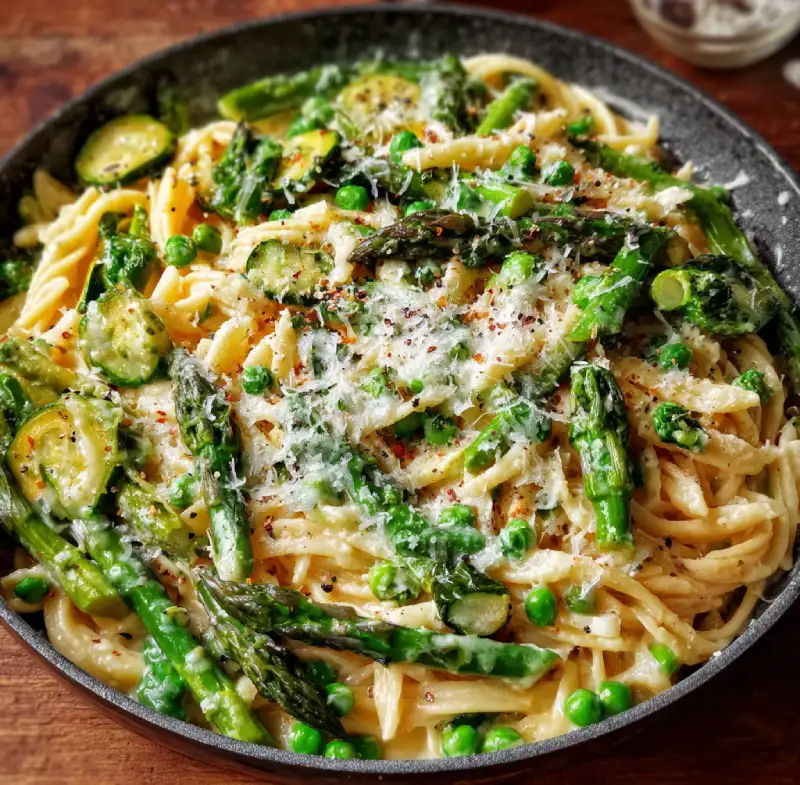
Imagine a dish that’s bursting with the fresh, vibrant flavors of spring, creamy and comforting, yet requires only one pot and minimal effort. That, my friends, is the magic of this One-Pot Spring Vegetable Pasta. Every forkful delivers tender pasta coated in a luscious, herb-infused sauce, studded with perfectly cooked asparagus, sweet peas, and wilted spinach. It’s a symphony of textures and tastes that will make your taste buds sing, all while keeping your kitchen sparkling clean. This isn’t just a meal; it’s a weeknight revelation!
Dinner in One Pot? Yes, Please! Why This Spring Pasta Will Be Your New Weeknight Go-To
From Pantry to Plate in Under 30 Minutes: My Go-To for Busy Nights
Life gets hectic, doesn’t it? Between work, family, and everything in between, the last thing you want is a complicated dinner recipe that leaves you with a mountain of dishes. This One-Pot Spring Vegetable Pasta is my absolute savior on those crazy nights. We’re talking about a meal that comes together faster than ordering takeout, using simple ingredients you likely already have on hand. It’s quick, it’s fresh, and it’s utterly delicious – what more could you ask for?
The Simple Joy of Minimal Cleanup: A Practical Cook’s Dream
Let’s be honest, the cleanup is often the worst part of cooking. But with this one-pot wonder, that’s practically a non-issue! Everything, from sautéing your aromatics to cooking the pasta and vegetables, happens in a single pot. That means less scrubbing, more relaxing, and more time to enjoy your fantastic meal. It’s truly a practical cook’s dream come true.
Why This One-Pot Spring Vegetable Pasta Recipe Works (Every Time)
- Creamy Texture, Not Watery: The Secret to a Perfect Sauce: The starch released from the pasta as it cooks directly in the broth creates an incredibly silky, naturally thickened sauce. No need for heavy cream or flour!
- Vibrant Vegetables, Not Overcooked: How Timing is Everything: We add the delicate spring vegetables at just the right moment, ensuring they retain their bright color, crisp-tender texture, and fresh flavor, rather than turning to mush.
- Flavor Infusion: Pasta Cooks Directly in the Sauce: This is the genius of one-pot pasta! The pasta absorbs all the delicious flavors from the broth, garlic, shallots, and herbs as it cooks, resulting in a deeply flavorful dish from the inside out.
- Effortless Comfort: Maximum Flavor, Minimum Fuss: This recipe truly delivers on its promise. It’s incredibly comforting and satisfying, yet requires minimal active cooking time and effort, making it perfect for any night of the week.
The Practical Cook’s Ingredient Guide: What You Need & Smart Swaps
Here is what you need and why:
The Best Pasta for One-Pot: Why Shape Matters for Absorption: For one-pot pasta, I highly recommend using shorter, sturdier pasta shapes like penne, rotini, farfalle, or even spaghetti broken in half. These shapes cook evenly and absorb the liquid beautifully, contributing to that luscious sauce. Avoid very delicate or tiny pasta, as it can become mushy.
Spring Vegetables That Shine: Choosing for Flavor and Texture (Asparagus, Peas, Spinach): This recipe truly celebrates spring! Fresh asparagus, cut into 1-inch pieces, adds a lovely bite and earthy flavor. Sweet green peas (fresh or frozen, thawed) bring a pop of sweetness. And a generous handful of fresh spinach wilts down beautifully, adding color and nutrients. Feel free to add other quick-cooking spring veggies like chopped zucchini or snap peas.
Building the Flavor Base: Garlic, Shallots, and Fresh Herbs: A good foundation is key! Minced garlic and finely diced shallots provide a sweet, aromatic base. For fresh herbs, I love a mix of parsley and basil, chopped. They add a bright, herbaceous note that screams spring. Don’t skimp on these – they make a huge difference!
The Liquid Gold: Broth Choices and Why Water isn’t Enough: This is where the flavor truly develops. Use a good quality vegetable broth or chicken broth. The broth infuses the pasta with savory depth as it cooks. While you *could* use water, your pasta would lack that rich, nuanced flavor. Trust me, broth is worth it!
Dairy Finishes: Parmesan and a Touch of Lemon Zest (The Brightener): A generous sprinkle of freshly grated Parmesan cheese at the end adds a salty, umami richness that ties everything together. And for that final flourish, a little lemon zest is non-negotiable! It brightens the entire dish, cutting through the richness and making every bite sing. A squeeze of fresh lemon juice at the end is also fantastic.
Strategic Substitutions: Don’t Have It? Don’t Sweat It. No shallots? Use a small onion. No fresh herbs? A teaspoon of dried Italian seasoning will work in a pinch, though fresh is always best here. Don’t have Parmesan? A little Pecorino Romano or even a good quality nutritional yeast for a dairy-free option can work. The beauty of this dish is its flexibility!
Step-by-Step: Your Visual Guide to One-Pot Spring Pasta Perfection
Follow these step-by-step photos:
1. Prep Your Veggies: Quick Chops for Even Cooking
Start by getting all your vegetables ready. Mince your garlic and finely dice the shallots. Trim the woody ends off your asparagus and cut the spears into 1-inch pieces. If using fresh peas, shell them. Chop your fresh herbs. Having everything prepped ensures a smooth cooking process and even cooking times for your delicate spring produce.
2. Build the Base: Sautéing for Depth of Flavor
In a large, deep pot or Dutch oven, heat a tablespoon of olive oil over medium heat. Add the minced shallots and cook until softened and translucent, about 2-3 minutes. Then, add the minced garlic and cook for another minute until fragrant, being careful not to burn it. This aromatic base is crucial for a flavorful sauce.
3. Add Pasta & Liquid: The Critical Ratio for Creaminess
Add your chosen pasta (penne, rotini, etc.) directly to the pot with the shallots and garlic. Pour in the vegetable or chicken broth. The liquid should just barely cover the pasta. This critical ratio is what allows the pasta to cook perfectly and release its starch, creating that creamy sauce. Stir well to ensure the pasta is submerged.
4. Simmer & Stir: Preventing Sticking and Ensuring Absorption
Bring the mixture to a boil, then reduce the heat to medium-low, cover, and simmer. Stir frequently, every 1-2 minutes, to prevent the pasta from sticking to the bottom of the pot and to encourage even cooking and liquid absorption. Continue cooking for about 8-10 minutes, or until the pasta is almost al dente and most of the liquid has been absorbed.
5. The Spring Vegetable Grand Finale: Timing for Brightness and Snap
Once the pasta is almost done, stir in the asparagus pieces and peas. Continue to simmer, uncovered, stirring occasionally, for another 3-5 minutes, or until the vegetables are crisp-tender and the pasta is perfectly al dente. Finally, stir in the fresh spinach and cook just until it wilts, about 1 minute. This staggered addition ensures your veggies are vibrant and not overcooked.
6. Finishing Touches: Cheese, Lemon, and Freshness
Remove the pot from the heat. Stir in the freshly grated Parmesan cheese, fresh parsley, and basil. Add the lemon zest and a squeeze of fresh lemon juice. Taste and adjust seasoning with salt and freshly ground black pepper as needed. Serve immediately, garnished with extra Parmesan and a sprinkle of fresh herbs. Enjoy your perfect One-Pot Spring Vegetable Pasta!
Expert Tips for Success: What I’ve Learned (So You Don’t Make My Mistakes)
- Liquid Level is Key: Why Too Much Or Too Little Fails: The broth should just cover the pasta. Too much, and your sauce will be watery; too little, and your pasta won’t cook properly and might stick. Err on the side of slightly less, as you can always add a splash more if needed.
- Stirring Strategy: Preventing Sticking and Encouraging Creaminess: Don’t walk away! Frequent stirring (every minute or two) is essential. It prevents the pasta from clumping and sticking to the bottom, and it helps release the starches that create that wonderfully creamy sauce.
- Don’t Overcook Your Veggies: The Importance of Staggered Additions: Delicate spring vegetables like asparagus, peas, and spinach cook quickly. Adding them towards the end ensures they retain their vibrant color, fresh flavor, and pleasant texture.
- Adjust Seasoning as You Go: Tasting is Your Best Tool: Always taste your food! Start with a good amount of salt in the broth, but then taste the pasta as it cooks and adjust the seasoning (salt, pepper, lemon) at the very end. Broths vary in sodium content, so your palate is your best guide.
- Serving Immediately: Enjoying the Perfect Texture: One-pot pastas are best enjoyed fresh off the stove. The sauce is at its creamiest, and the pasta is perfectly al dente. While leftovers are good, the texture is truly optimal right away.
What to Serve With Your One-Pot Spring Vegetable Pasta
This One-Pot Spring Vegetable Pasta is a complete meal on its own, but if you’re looking to round it out, here are a couple of perfect companions:
- Simple Salad: A Light and Fresh Counterpoint: A crisp green salad with a light vinaigrette is the ideal partner. Its freshness and acidity will beautifully complement the creamy pasta.
- Crusty Bread: For Sopping Up Every Last Drop of Sauce: You absolutely cannot let any of that delicious, creamy sauce go to waste! A warm, crusty baguette or ciabatta is perfect for soaking up every last bit.
Storing and Reheating Your Leftovers (Yes, It’s Possible!)
Cooling and Storing Properly: Preventing Mushiness: While best fresh, leftovers of this One-Pot Spring Vegetable Pasta are still delicious! Allow the pasta to cool completely before transferring it to an airtight container. Store in the refrigerator for up to 3-4 days. Proper cooling helps prevent the pasta from becoming overly mushy.
Reheating Tips: How to Revive Without Drying Out: To reheat, gently warm portions in a saucepan over medium-low heat, adding a splash of extra broth or water to loosen the sauce and prevent it from drying out. Stir frequently until heated through. You can also microwave individual portions, again, adding a tablespoon or two of liquid before heating.
FAQs About One-Pot Spring Vegetable Pasta
Can I Use Different Vegetables?
What If My Sauce Is Too Thick/Thin?
Can I Make This Gluten-Free?
Is This Recipe Freezable?
For more easy and delicious recipes, be sure to visit My Cakes Recipes!
One-Pot Spring Vegetable Pasta
- Total Time: 30 minutes
- Yield: 4 servings
Description
This easy one-pot pasta recipe is bursting with fresh spring flavors and comes together in under 30 minutes. Enjoy a creamy, comforting meal with minimal cleanup.
Ingredients
- 1 tbsp olive oil
- 1 large shallot, finely diced
- 2 cloves garlic, minced
- 8 oz (225g) short pasta (penne, rotini, farfalle)
- 3 cups (720ml) vegetable or chicken broth
- 1 cup (150g) asparagus, trimmed and cut into 1-inch pieces
- 1/2 cup (75g) fresh or frozen green peas
- 2 cups (60g) fresh spinach
- 1/4 cup (25g) freshly grated Parmesan cheese, plus more for serving
- 2 tbsp fresh parsley, chopped
- 1 tbsp fresh basil, chopped
- 1/2 tsp lemon zest
- Salt and freshly ground black pepper to taste
- Optional: squeeze of fresh lemon juice
Instructions
- In a large, deep pot or Dutch oven, heat olive oil over medium heat. Add shallots and cook until softened, 2-3 minutes. Add garlic and cook for 1 minute until fragrant.
- Add pasta and broth to the pot. Bring to a boil, then reduce heat to medium-low, cover, and simmer, stirring every 1-2 minutes, for 8-10 minutes or until pasta is almost al dente and most liquid is absorbed.
- Stir in asparagus and peas. Continue to simmer, uncovered, stirring occasionally, for 3-5 minutes, or until vegetables are crisp-tender and pasta is al dente.
- Stir in fresh spinach and cook just until wilted, about 1 minute.
- Remove from heat. Stir in Parmesan cheese, parsley, basil, and lemon zest. Season with salt, pepper, and a squeeze of lemon juice if desired. Serve immediately.
- Prep Time: 10 mins
- Cook Time: 20 mins