


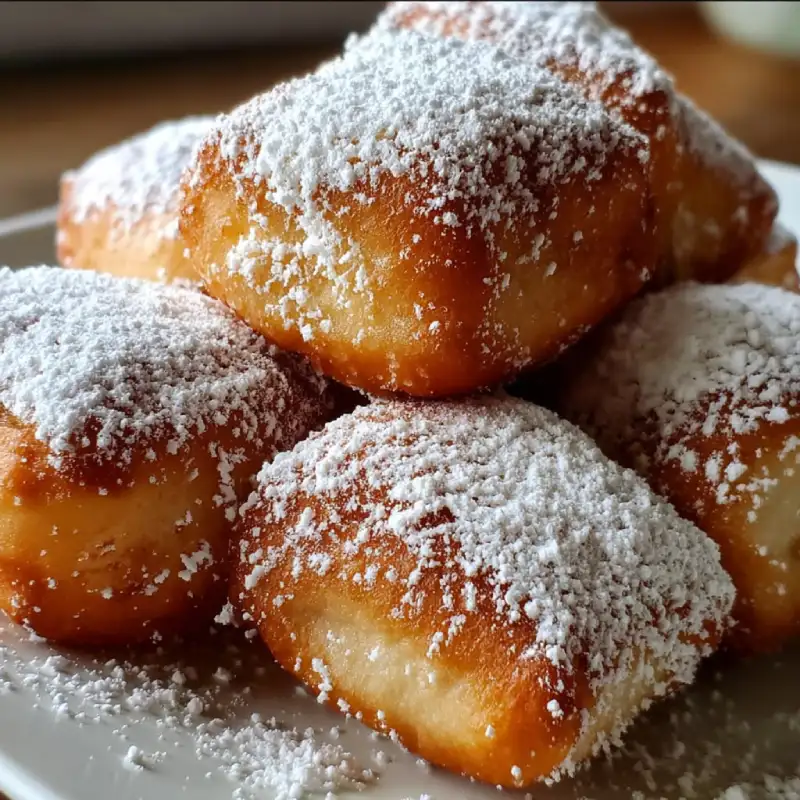
Delicious Vanilla French Beignets: Your Ultimate Recipe Guide
Imagine biting into a warm, cloud-like pastry, dusted generously with powdered sugar, where every mouthful is a whisper of vanilla and pure bliss. That, my friends, is the magic of homemade vanilla French beignets. Forget those greasy, overly sweet versions you might have tried; these are light, airy, and utterly irresistible. They’re a testament to simple ingredients coming together to create something truly extraordinary. Get ready to transform your kitchen into a New Orleans café – it’s easier and more rewarding than you think!
Table of Contents
- Your New Favorite Treat: Vanilla French Beignets at Home
- Why This Vanilla French Beignet Recipe Works
- Ingredients for Vanilla French Beignets (and Smart Substitutions)
- Step-by-Step: Making Your Delicious Vanilla French Beignets
- Expert Tips for Beignet Success
- What to Serve With Your Vanilla French Beignets
- Storing and Reheating Vanilla French Beignets
- Vanilla French Beignets FAQ
Your New Favorite Treat: Vanilla French Beignets at Home
There’s a world of difference between a homemade treat and anything you buy pre-packaged. When it comes to vanilla French beignets, this gap widens even further. Store-bought versions often lack that ethereal lightness, the delicate crisp exterior, and the nuanced vanilla flavor that only fresh, carefully prepared dough can deliver. Making them at home means you control the quality of every ingredient, ensuring a superior taste and texture that will impress everyone.
I still remember the first time I truly fell in love with beignets. I was a student, on a trip to New Orleans, and the air was thick with the scent of chicory coffee and freshly fried dough. That first bite – warm, pillowy, and coated in what seemed like an impossibly fine layer of sugar – was a revelation. It wasn’t just a pastry; it was an experience. And I promise you, replicating that magic in your own kitchen is entirely achievable with this recipe. Prepare to fall head over heels!
Why This Vanilla French Beignet Recipe Works
- Unbeatable Light and Airy Texture: Our recipe utilizes a slight shortcut with the melted butter, yet maintains the classic long bulk fermentation for superior flavor development and that signature cloud-like interior.
- The Perfect Sweet-Savory Balance: The subtle sweetness from the sugar combined with the rich vanilla and a hint of salt perfectly counteracts the frying process, preventing them from being cloyingly sweet.
- Crispy Exterior, Tender Interior: Mastering the oil temperature is key, and our detailed instructions will guide you to that elusive perfect golden crisp on the outside, giving way to a tender, hollow-like center.
- Simple Ingredients, Gourmet Results: You won’t find any exotic ingredients here. Just pantry staples transformed into a sophisticated, crave-worthy dessert with minimal fuss.
Ingredients for Vanilla French Beignets (and Smart Substitutions)
Here is what you need and why:
Active Dry Yeast: This is the leavening agent that gives our beignets their incredible rise and airy texture. It needs to be ‘woken up’ with warm liquid and sugar. If you only have instant yeast, you can mix it directly into the flour, but I still recommend proofing it to ensure it’s active. Use 25% less instant yeast than active dry.
Warm Milk: The ideal temperature is between 105-115°F (40-46°C). Much like a warm bath, this temperature helps activate the yeast without killing it. Any type of milk works, dairy or non-dairy.
Granulated Sugar: More than just sweetness, sugar feeds the yeast, aiding in fermentation and contributing to the beautiful golden-brown color during frying. It also tenderizes the dough.
All-Purpose Flour: The backbone of our beignets, providing structure and chew. I prefer unbleached all-purpose flour for consistency. You can substitute a bread flour for a slightly chewier beignet, but avoid cake flour as it can make them too delicate for frying.
Large Eggs: Eggs add richness, flavor, and color to the dough, and act as a natural binder, contributing to a more tender crumb.
Unsalted Butter (Melted): Butter introduces a beautiful richness and moisture, keeping the beignets tender and flavorful. Unsalted is preferred so you can control the salt content in the recipe.
Vanilla Extract: The star flavor! Use a good quality pure vanilla extract for the best results – it truly makes a difference. You can also experiment with other extracts like almond or lemon for a twist, but vanilla is classic for a reason.
Salt: A crucial ingredient that balances the sweetness, enhances all the other flavors, and controls yeast activity. Don’t skip it!
Vegetable Oil (for Frying): Choose an oil with a high smoke point and neutral flavor, such as canola, sunflower, or peanut oil. This ensures a clean fry without imparting unwanted flavors. You’ll need several cups, make sure your pot is deep enough.
Powdered Sugar (for Dusting): The iconic finish! Powdered sugar not only adds sweetness but also an appealing visual. Sifting it ensures a beautiful, even, snowy coat.
Step-by-Step: Making Your Delicious Vanilla French Beignets
Follow these detailed steps for beignet perfection:
1. Proofing the Yeast
In a large bowl (or bowl of a stand mixer), combine the warm milk (105-115°F), granulated sugar, and active dry yeast. Stir gently and let it sit for 5-10 minutes. The mixture should become foamy and bubbly, indicating your yeast is active and ready to go. If it doesn’t foam, your yeast might be expired or the milk temperature was off, and you’ll need to start again with new yeast.
2. Mixing the Dough
Add the melted butter, eggs, vanilla extract, and salt to the yeast mixture. Whisk well to combine. Gradually add the all-purpose flour, mixing with a wooden spoon or dough hook until a shaggy dough forms. Turn the dough out onto a lightly floured surface and knead for 5-7 minutes, or use a stand mixer with a dough hook for about 4-5 minutes, until the dough is smooth, elastic, and no longer sticky. It should pull away cleanly from the sides of the bowl. Resist the urge to add too much flour, as this will result in tough beignets. The dough should be slightly soft.
3. First Rise (Bulk Fermentation)
Lightly grease a large bowl with a little oil. Place the dough in the bowl, turning it once to coat. Cover the bowl tightly with plastic wrap or a clean kitchen towel. Let the dough rise in a warm, draft-free place for 1.5 to 2 hours, or until it has doubled in size. This can take longer in a cooler environment. You can also do a slow, overnight rise in the refrigerator for enhanced flavor; just bring it to room temperature for 30 minutes before proceeding.
4. Rolling and Cutting
Once risen, gently punch down the dough to release the air. Turn it out onto a lightly floured surface. Using a rolling pin, roll the dough into a rectangle about 1/4 inch thick. Using a sharp knife or a pizza cutter, cut the dough into 2-inch squares or rectangles. You can also use cookie cutters for fun shapes, but the traditional square is easy and classic.
5. Second Rise (Optional, but Recommended)
Carefully transfer the cut beignet squares to a lightly floured baking sheet, leaving some space between them. Cover loosely with plastic wrap or a clean towel and let them rise again for another 20-30 minutes. This second rise leads to maximum puffiness and an even lighter texture. While they are proofing, begin heating your oil.
6. Frying the Beignets
Pour vegetable oil into a heavy-bottomed pot or Dutch oven until it’s about 2-3 inches deep. Heat the oil over medium-high heat until it reaches 350-360°F (175-182°C). Use a thermometer to monitor the temperature; this is crucial for perfectly fried beignets. Carefully drop 3-4 beignets into the hot oil, being careful not to overcrowd the pan. Fry for 1-2 minutes per side, until golden brown and puffed. Flip them with tongs or a slotted spoon. Remove the fried beignets and place them on a paper towel-lined plate to drain excess oil.
7. Dusting and Serving
While the beignets are still warm, generously dust them with powdered sugar using a fine-mesh sieve. You can also place several warm beignets in a paper bag with powdered sugar and shake gently to coat. Serve immediately – they are best fresh out of the fryer!
Expert Tips for Beignet Success
- Temperature Control is Key: Invest in a good thermometer. If the oil is too cool, the beignets will become greasy. If it’s too hot, they’ll brown too quickly on the outside and remain raw on the inside.
- Don’t Overcrowd the Pan: Frying too many beignets at once will drop the oil temperature significantly, leading to uneven cooking and greasy results. Fry in batches.
- Proper Dough Hydration: Your dough should be slightly sticky but still manageable. Resist the urge to add too much flour during kneading or rolling, as this can lead to dry, tough beignets.
- Resting Time Matters: Don’t rush the rising times. The longer and slower the rise, the more flavor develops, and the lighter your beignets will be. Patience is a virtue here!
- The Power of Powdered Sugar: Dust generously and while the beignets are still warm. The warmth helps the sugar adhere and melt slightly into a beautiful, delicate coating. For a truly professional look, dust them twice!
What to Serve With Your Vanilla French Beignets
While delicious on their own, vanilla French beignets are fantastic with a few accompaniments:
- Classic Coffee Pairing: A strong cup of chicory coffee is the traditional New Orleans companion and a perfect counterpoint to the sweet pastry.
- Fruit Compotes and Jams: A berry compote (raspberry or strawberry works wonderfully) or a dollop of apricot preserves adds a fresh, tangy contrast.
- Chocolate Dipping Sauce: For the ultimate indulgence, serve with a warm bittersweet chocolate dipping sauce.
- Spiced Whipped Cream: Elevate the experience with a lightly sweetened whipped cream infused with a touch of cinnamon or nutmeg.
Storing and Reheating Vanilla French Beignets
- Best Practices for Freshness: Beignets are undoubtedly best enjoyed warm, fresh out of the fryer. They tend to lose their delicate crispness and become chewier as they cool. If you must store them, place them in an airtight container at room temperature for up to a day.
- Freezing Unfried Dough: You can prepare the dough through the first rise. Punch it down, shape into a rectangle, wrap tightly in plastic wrap, and then foil. Freeze for up to 2-3 weeks. Thaw overnight in the refrigerator, then proceed with rolling, cutting, and the second rise.
- Reheating Leftover Beignets: To recapture some of their initial magic, reheat cold beignets in a 350°F (175°C) oven or air fryer for 5-7 minutes, until warm. Dust with fresh powdered sugar before serving.
Vanilla French Beignets FAQ
What is the difference between a doughnut and a beignet?
Can I make beignets without a deep fryer?
How do I know if my oil is hot enough?
Why are my beignets not puffy?
Can I make the dough ahead of time?
With this comprehensive guide, you’re now equipped to create truly exceptional vanilla French beignets right in your own kitchen. Whether for a special brunch, an indulgent dessert, or just a treat to brighten your day, these beignets are sure to become a beloved staple. Happy baking, and don’t forget to share the sweetness!
Vanilla French Beignets
- Total Time: 40 minutes
- Yield: 24-30 beignets
Description
These light and airy vanilla French beignets are a simple yet stunning dessert, perfect for any occasion. Delight in their pillowy texture and delicate vanilla flavor, generously dusted with powdered sugar.
Ingredients
- 1 cup (240ml) warm milk (105-115°F / 40-46°C)
- 1/4 cup (50g) granulated sugar, plus 1 tsp for yeast
- 2 1/4 teaspoons (1 packet) active dry yeast
- 1 large egg
- 1/4 cup (56g) unsalted butter, melted
- 1 teaspoon pure vanilla extract
- 1/2 teaspoon salt
- 3 1/2 cups (420g) all-purpose flour, plus more for dusting
- Vegetable oil, for frying (about 6-8 cups)
- 2 cups (200g) powdered sugar, for dusting
Instructions
- 1. Activate Yeast: In a large bowl, combine warm milk, 1 tsp granulated sugar, and active dry yeast. Stir and let sit for 5-10 minutes until foamy.
- 2. Mix Dough: Add melted butter, egg, vanilla, and salt to the yeast mixture. Gradually add flour, mixing until a shaggy dough forms. Knead on a lightly floured surface for 5-7 minutes until smooth and elastic.
- 3. First Rise: Place dough in a lightly oiled bowl, turn to coat, cover, and let rise in a warm place for 1.5-2 hours, or until doubled.
- 4. Roll & Cut: Gently punch down dough. Roll on a lightly floured surface to 1/4-inch thickness. Cut into 2-inch squares or rectangles.
- 5. Optional Second Rise: Transfer cut beignets to a lightly floured baking sheet, cover loosely, and let rise for 20-30 minutes.
- 6. Fry Beignets: Heat 2-3 inches of vegetable oil in a heavy-bottomed pot to 350-360°F (175-182°C). Fry 3-4 beignets at a time for 1-2 minutes per side until golden brown. Transfer to a paper towel-lined plate to drain.
- 7. Dust & Serve: While warm, generously dust beignets with powdered sugar. Serve immediately.
- Prep Time: 25 mins
- Cook Time: 15 mins