


Table of Contents
- Your New Go-To Vegan French Toast Recipe
- Why This Vegan French Toast Recipe Actually Works
- Ingredients: What You Need and Why Each Matters
- Step-by-Step: Making Your Vegan French Toast a Reality
- Expert Tips for Success
- What to Serve With Your Vegan French Toast?
- Storing and Reheating Your Leftovers
- Frequently Asked Questions About Vegan French Toast
Your New Go-To Vegan French Toast Recipe
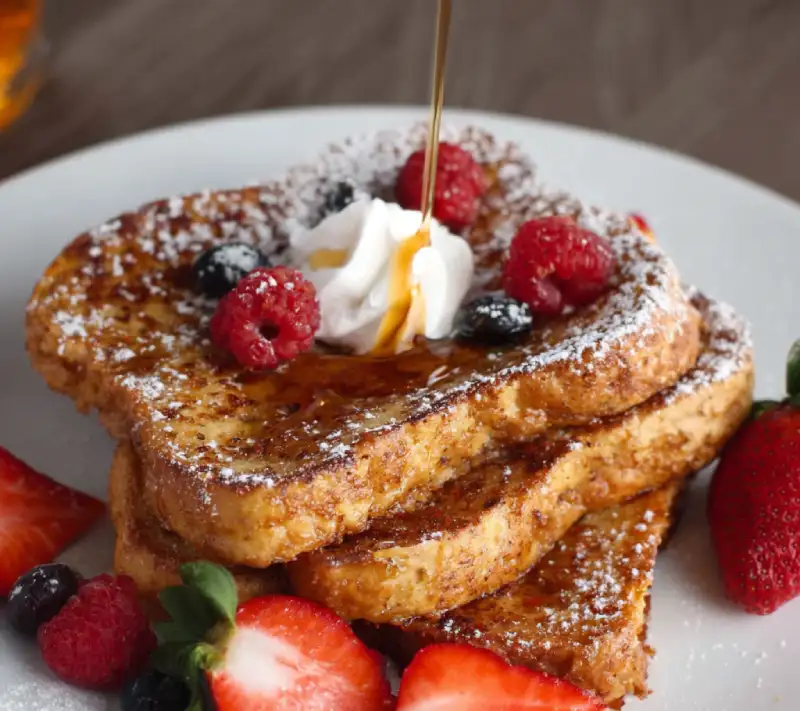
Imagine this: a stack of golden-brown slices, perfectly crisp on the outside, yet unbelievably soft and custardy within, dripping with maple syrup. Sounds like a dream, right? Well, prepare to make that dream a delicious reality with our ultimate Vegan French Toast recipe! Forget everything you thought you knew about plant-based breakfasts; this recipe delivers all the classic comfort and indulgence without any animal products. It’s so good, even the most devoted omnivores will be asking for seconds.
Why This Recipe Solves Your Cravings
This isn’t just another vegan recipe; it’s the recipe that will satisfy every single one of your French toast cravings. We’ve cracked the code to achieve that elusive custardy interior and perfectly browned exterior, all while keeping it entirely plant-based. It’s quick enough for a weekend brunch but special enough for a holiday feast. Get ready to fall in love with breakfast all over again!
Why This Vegan French Toast Recipe Actually Works
- Achieving the Perfect Custard-Like Interior: Our secret lies in the precise ratio of plant-based milk to cornstarch and nutritional yeast, creating a batter that mimics the richness and texture of traditional egg-based French toast. The bread soaks up just the right amount, ensuring a tender, custardy bite every time.
- Crispy Golden Exterior Every Time: We guide you on the ideal pan temperature and the perfect amount of oil or vegan butter to achieve that coveted golden-brown crust that adds a delightful textural contrast to the soft interior.
- Balanced Sweetness Without Being Overpowering: This recipe strikes a harmonious balance of sweetness, allowing the subtle flavors of vanilla and cinnamon to shine through. You can always adjust it to your personal preference, but we promise it won’t be cloyingly sweet.
- Easy to Master for Any Home Cook: Whether you’re a seasoned vegan chef or just starting your plant-based journey, our step-by-step instructions make this recipe incredibly approachable. You’ll be whipping up perfect Vegan French Toast in no time!
Ingredients: What You Need and Why Each Matters
Here is what you need and why:
The Best Bread for Soaking and Structure: The foundation of great French toast is great bread! A slightly stale, thick-cut bread like challah (vegan version!), brioche (vegan version!), or even a good quality sourdough or Texas toast works wonders. Avoid thinly sliced or overly soft sandwich bread, as it can become soggy. The sturdier crumb holds up to the soaking and cooking process beautifully.
Plant-Based Milk: Choosing for Creaminess: For the richest, most decadent French toast, I highly recommend using a full-fat plant-based milk like King Arthur Baking’s recommended unsweetened soy milk or oat milk. These options provide a creamy texture and neutral flavor that won’t overpower the other ingredients. Almond milk can work, but may result in a slightly thinner batter.
Cornstarch: The Secret to a Thicker Batter: This is our magical egg replacer! Cornstarch, when heated, thickens the plant-based milk, creating that essential custardy texture that traditional French toast gets from eggs. It helps the batter cling to the bread and prevents it from becoming watery.
Nutritional Yeast: Unlocking the ‘Egg-like’ Flavor: Don’t skip this! Nutritional yeast (often called ‘nooch’) provides a subtle, savory, umami depth that mimics the eggy flavor profile. It’s not just for cheese sauces; it’s a game-changer in vegan baking and cooking, especially for dishes where you want that ‘eggy’ essence.
Vanilla Extract & Cinnamon: Essential Flavor Boosters: These two are non-negotiable for classic French toast flavor. Pure vanilla extract adds warmth and sweetness, while ground cinnamon provides that comforting, aromatic spice. Feel free to add a pinch of nutmeg or cardamom for extra complexity!
Sweeteners: Your Options for Balanced Taste: Granulated sugar is a common choice, but maple syrup or agave nectar can also be used directly in the batter for a more complex sweetness. Adjust the amount to your preference, remembering that you’ll likely be adding syrup on top too!
Oil/Vegan Butter: For Browning and Flavor: A neutral-flavored oil like canola or grapeseed oil works well for cooking, ensuring a crisp, golden exterior. For an extra layer of rich flavor, a good quality vegan butter is an excellent choice. It helps achieve that beautiful browning and adds a lovely buttery aroma.
Step-by-Step: Making Your Vegan French Toast a Reality
Follow these simple steps to create your perfect Vegan French Toast:
1. Preparing Your Vegan Egg Batter
In a shallow dish or pie plate, whisk together your plant-based milk, cornstarch, nutritional yeast, vanilla extract, cinnamon, and your chosen sweetener until completely smooth. Make sure there are no lumps of cornstarch. This is your ‘custard’ base, and it should be well combined before you introduce the bread.
2. Selecting and Slicing Your Bread
If your bread isn’t already sliced, aim for slices about 3/4 to 1 inch thick. Thicker slices hold up better to soaking and cooking, ensuring a custardy interior without falling apart. If your bread is fresh, you can lightly toast it or let it sit out for a few hours to make it slightly stale, which helps it absorb the batter better.
3. The Crucial Soaking Process
Gently place one slice of bread into the batter, allowing it to soak for about 15-30 seconds per side. The exact time will depend on the type and freshness of your bread. You want it thoroughly saturated but not falling apart. Lift it carefully, letting any excess batter drip off.
4. Cooking to Golden Perfection
Heat a large non-stick skillet or griddle over medium heat. Add a tablespoon of oil or vegan butter, ensuring it coats the surface. Once hot, carefully place the soaked bread slices onto the pan, making sure not to overcrowd it. Cook for 3-5 minutes per side, or until beautifully golden brown and cooked through. The cornstarch will help create a lovely crust.
5. Keeping Your French Toast Warm
As you cook batches, transfer the finished French toast to a baking sheet and keep it warm in a preheated oven at 200°F (95°C). This ensures everyone gets to enjoy warm, fresh French toast at the same time!
Expert Tips for Success
- Don’t Over-Soak Your Bread: While you want the bread saturated, over-soaking can lead to soggy, disintegrating French toast. Pay attention to the bread’s texture; it should feel heavy but still hold its shape.
- Preheat Your Pan Properly: A properly preheated pan is key to achieving that beautiful golden-brown crust. If the pan isn’t hot enough, the French toast will absorb too much oil and become greasy.
- Flip Only Once for Best Browning: Resist the urge to constantly flip! Let the French toast cook undisturbed on one side until it’s deeply golden before flipping it once to cook the other side. This ensures even browning and a crisp exterior.
- Adjust Sweetness to Your Liking: Taste your batter before soaking the bread. If you prefer a sweeter French toast, add a little more sugar or maple syrup. Remember, toppings will add more sweetness too!
- Experiment with Spices: While cinnamon and vanilla are classic, don’t be afraid to get creative! A pinch of nutmeg, cardamom, or even a touch of pumpkin pie spice can elevate your Vegan French Toast to new flavor heights.
What to Serve With Your Vegan French Toast?
Classic Syrups and Fruits
The quintessential pairing is, of course, pure maple syrup! A drizzle of agave nectar also works beautifully. For fresh fruit, think sliced bananas, berries (strawberries, blueberries, raspberries), or even sautéed apples with a sprinkle of cinnamon. A dollop of vegan whipped cream or coconut yogurt adds a luxurious touch.
Savory Additions for a Full Meal
Who says French toast has to be purely sweet? Pair your Vegan French Toast with some crispy vegan bacon, a scramble made with tofu or JUST Egg, or even some sautéed greens for a more balanced and hearty meal. The sweet and savory combination is truly delightful!
Creative Topping Ideas
Beyond the classics, consider a sprinkle of chopped nuts (pecans, walnuts), a dusting of powdered sugar, a drizzle of chocolate sauce, or even a spoonful of fruit compote. For an extra indulgent treat, a scoop of vegan ice cream is surprisingly good!
Storing and Reheating Your Leftovers
Best Storage Practices
Allow any leftover Vegan French Toast to cool completely before storing. Place it in an airtight container, separating layers with parchment paper to prevent sticking. It will keep well in the refrigerator for up to 3-4 days. For longer storage, you can freeze individual slices. Place cooled slices on a baking sheet in a single layer and freeze until solid, then transfer to a freezer-safe bag or container. They’ll keep for up to 1-2 months.
Reheating for Optimal Texture
To reheat from the refrigerator, you can use a toaster oven, a regular oven (at 350°F/175°C for 5-10 minutes), or even a lightly oiled skillet over medium heat until warmed through and slightly crispy. From frozen, you can reheat directly in a toaster oven or regular oven, adding a few extra minutes to the cooking time. Avoid the microwave if possible, as it can make the French toast soft and rubbery rather than crisp.
Frequently Asked Questions About Vegan French Toast
Can I use gluten-free bread?
What if my batter is too thin/thick?
How can I make it sweeter/less sweet?
Can I prepare the batter ahead of time?
The Best Vegan French Toast
- Total Time: 30 minutes
- Yield: 4 servings (8 slices)
Description
Discover how to make the best Vegan French Toast with our easy-to-follow, step-by-step recipe. Achieve the perfect custardy interior and crispy golden exterior with plant-based ingredients!
Ingredients
- 8 slices thick-cut bread (stale vegan challah, brioche, sourdough, or Texas toast)
- 1 ½ cups full-fat plant-based milk (unsweetened soy or oat milk recommended)
- 2 tablespoons cornstarch
- 1 tablespoon nutritional yeast
- 1 teaspoon pure vanilla extract
- ½ teaspoon ground cinnamon (plus more for dusting, optional)
- 2–3 tablespoons granulated sugar, maple syrup, or agave nectar (adjust to taste)
- 1–2 tablespoons neutral oil or vegan butter, for cooking
- Optional toppings: maple syrup, fresh berries, sliced bananas, powdered sugar, vegan whipped cream
Instructions
- Prepare the Batter: In a shallow dish or pie plate, whisk together the plant-based milk, cornstarch, nutritional yeast, vanilla extract, cinnamon, and sweetener until completely smooth and lump-free.
- Soak the Bread: Gently place one slice of bread into the batter, allowing it to soak for 15-30 seconds per side, or until thoroughly saturated but still holding its shape. Let any excess batter drip off.
- Heat the Pan: Heat a large non-stick skillet or griddle over medium heat. Add 1 tablespoon of oil or vegan butter, ensuring it coats the surface.
- Cook the French Toast: Carefully place the soaked bread slices onto the hot pan, making sure not to overcrowd. Cook for 3-5 minutes per side, or until beautifully golden brown and cooked through. Add more oil/vegan butter as needed for subsequent batches.
- Serve Warm: Transfer cooked French toast to a plate or keep warm in a 200°F (95°C) oven while you cook the remaining slices. Serve immediately with your favorite toppings.
- Prep Time: 10 mins
- Cook Time: 20 mins