


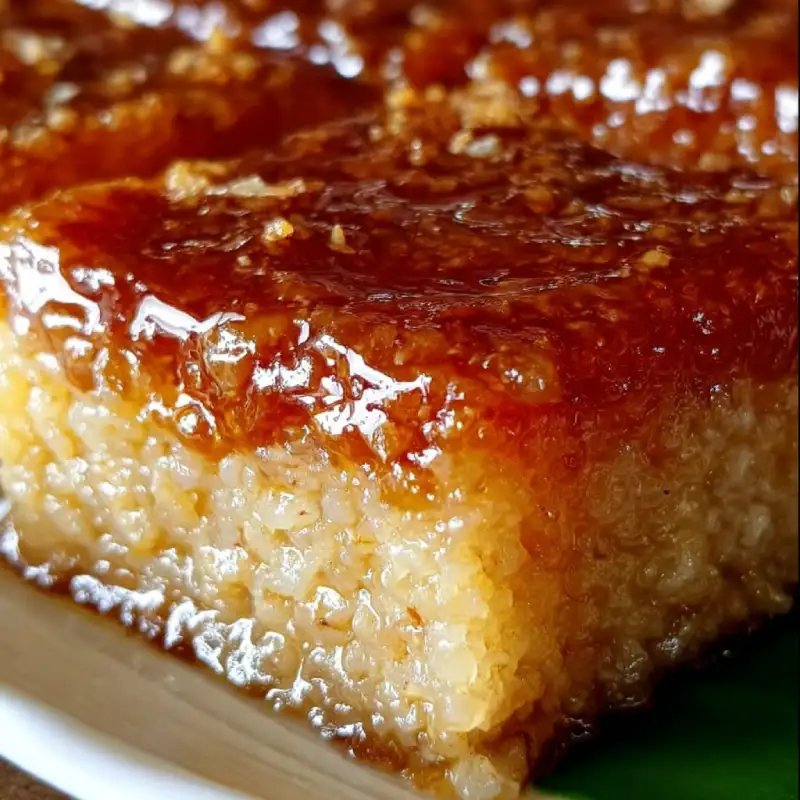
Easy 5-Ingredient Biko Recipe: Your Guide to Sweet Sticky Rice
Table of Contents
- Introduction to Easy 5-Ingredient Biko
- Why You’ll Love This Top 5-Ingredient Biko Recipe
- Gather Your Simple Biko Ingredients
- Step-by-Step Instructions for Your Easy Biko
- Expert Tips for the Best 5-Ingredient Biko
- Serving Suggestions & Variations
- Storing Your Homemade Biko
- Frequently Asked Questions About Biko
Welcome to the ultimate guide for making an incredibly easy Biko recipe! If you’ve been craving this classic Filipino sweet sticky rice, you’re in for a treat. This delightful dessert requires just five simple ingredients, making it perfect for beginners and seasoned home cooks alike. Get ready to master the art of this beloved kakanin!
Introduction to Easy 5-Ingredient Biko
Biko is a traditional Filipino sweet rice cake made from glutinous rice, coconut milk, and brown sugar. It’s often served during special occasions, holidays, or simply as a comforting snack. Our **easy Biko recipe** focuses on simplicity without sacrificing the rich, authentic flavor.
This version streamlines the process, proving that you don’t need a long list of ingredients to create something truly delicious. You’ll be amazed at how quickly you can whip up this sweet sticky rice masterpiece!
Why You’ll Love This Top 5-Ingredient Biko Recipe
There are countless reasons to adore this particular **easy Biko recipe**. First, its simplicity is unmatched, requiring minimal effort but delivering maximum taste.
Secondly, the use of common pantry staples means you can make this anytime a craving strikes. It’s also incredibly satisfying and a wonderful way to introduce friends and family to Filipino desserts. This really is the best way to get started making Biko!
Gather Your Simple Biko Ingredients
Preparing this delicious dessert is a breeze with our minimal ingredient list. You only need five core items to bring this sweet sticky rice to life.
- 2 cups glutinous rice (malagkit)
- 3 cans (13.5 oz each) full-fat coconut milk
- 1 cup brown sugar (packed)
- ½ teaspoon salt
- ¼ cup white granulated sugar (for topping only)
Step-by-Step Instructions for Your Easy Biko
Follow these simple steps to create your perfect **easy Biko recipe**. Each stage is designed to be straightforward and rewarding.
Preparing Your Sticky Rice Base
- Rinse the glutinous rice thoroughly under cold water until the water runs clear. This removes excess starch.
- In a medium pot, combine the rinsed glutinous rice with 2 cans of coconut milk and ½ teaspoon of salt.
- Bring the mixture to a boil over medium-high heat, then reduce the heat to low. Cover the pot and simmer for 20-25 minutes, or until all the liquid has been absorbed and the rice is cooked and sticky. Stir occasionally to prevent sticking.
- Once cooked, remove from heat and fluff with a fork. Keep covered while you prepare the topping.
Crafting the Delicious Coconut Caramel Topping
- In a separate, heavy-bottomed saucepan, combine the remaining 1 can of coconut milk with the brown sugar and white granulated sugar.
- Bring the mixture to a boil over medium heat, stirring constantly until the sugars are fully dissolved.
- Reduce the heat to low and continue to simmer, stirring frequently, for about 15-20 minutes. The mixture should thicken significantly and turn into a rich, caramel-colored coconut latik (caramelized coconut cream).
- Be careful not to burn it; the consistency should be thick but pourable.
Assembling and Cooking Your Perfect Biko
- Preheat your oven to 350°F (175°C).
- Grease a 9×13 inch baking dish with a little coconut oil or butter.
- Evenly spread the cooked sticky rice into the prepared baking dish, pressing it down gently.
- Pour the warm coconut caramel topping (latik) evenly over the sticky rice layer.
- Bake for 20-25 minutes, or until the topping is bubbly and slightly caramelized on top.
- Remove from the oven and let cool completely before slicing and serving. This allows the biko to set properly.
Expert Tips for the Best 5-Ingredient Biko
For an even better outcome with your **easy Biko recipe**, consider these expert tips. Using freshly squeezed coconut milk, if available, can elevate the flavor. However, canned full-fat coconut milk works perfectly.
Always cook the rice until it’s just tender; overcooking can make it mushy. For a deeper caramel flavor in your latik, allow it to simmer a bit longer, but watch it carefully to prevent burning.
Serving Suggestions & Variations
Your homemade Biko is wonderful on its own, but there are many ways to enjoy it. Serve it warm or at room temperature, perhaps with a side of fresh mango for a delightful contrast. You can also explore different toppings.
Some people enjoy adding toasted sesame seeds or more latik on top. For an authentic experience, consider pairing it with other Filipino desserts, also known as kakanin.
Storing Your Homemade Biko
Proper storage ensures your delicious Biko stays fresh longer. Store any leftover Biko in an airtight container at room temperature for up to 2 days.
For extended freshness, you can refrigerate it for up to 5 days. Reheat gently in the microwave or a steamer for a soft texture, but it’s also quite good cold.
F.A.Q
What is glutinous rice?
Glutinous rice, also known as sticky rice or sweet rice, is a type of rice grown mainly in Southeast and East Asia that is especially sticky when cooked. Despite its name, it does not contain dietary gluten.
Can I make this Biko recipe without brown sugar?
While brown sugar gives biko its characteristic color and deep caramel flavor, you can substitute it with white sugar for a lighter-colored biko, though the flavor profile will be slightly different. Adjust sweetness to your preference.
Why did my coconut caramel topping (latik) curdle?
Coconut milk can curdle if exposed to high heat too quickly, or if it’s old. To prevent curdling, use fresh, full-fat coconut milk and simmer the mixture gently over low to medium heat, stirring constantly until it thickens gradually.