


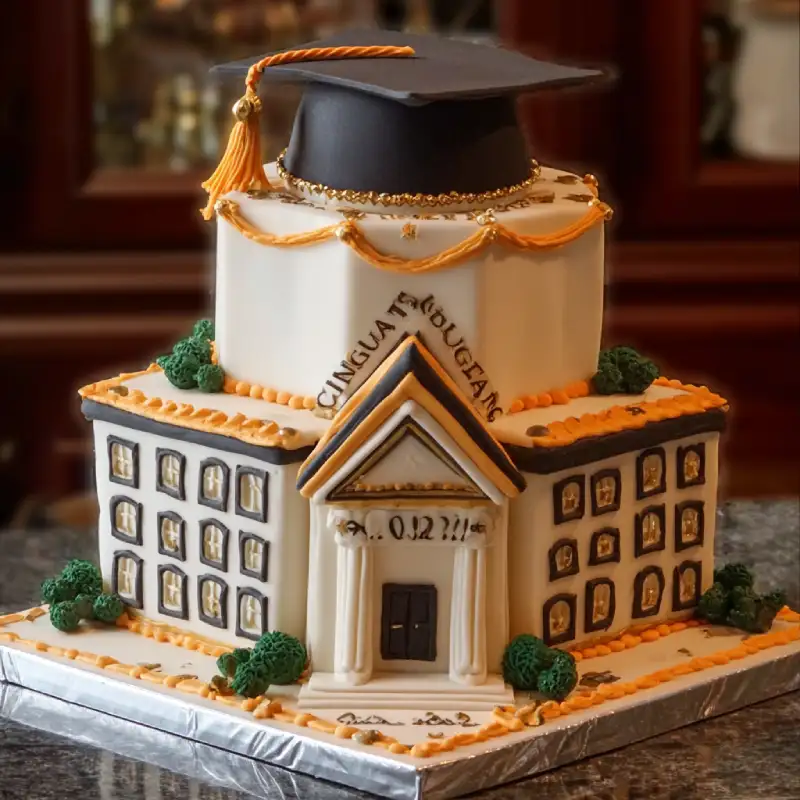
Your Must-Try Graduation Cake Recipe (That Actually Works!)
Congratulations, graduates! This isn’t just any cake; it’s the graduation cake that will be the crowning glory of your celebration. Imagine a slice that’s incredibly moist, boasts a tender crumb that practically melts in your mouth, and carries a perfectly balanced sweetness that leaves everyone reaching for a second piece. This recipe isn’t just about baking a cake; it’s about crafting a memorable centerpiece that celebrates hard-earned achievements with every delicious bite. Forget dry, crumbly disappointments – this guide ensures your graduation cake is a triumph, just like the graduate!
Table of Contents
Why This Graduation Cake Recipe Delivers Every Time
- Moist, Tender Crumb: The Secret to a Perfect Slice: Our careful balance of fats and liquids, especially the buttermilk, ensures a cake that stays incredibly moist for days. No one wants a dry cake, especially for such a special occasion!
- Balanced Sweetness: Not Overpowering, Just Right: We’ve perfected the sugar ratio so the cake is sweet enough to feel celebratory but not so sweet that it overwhelms the delicate vanilla flavor. It’s pure bliss, not a sugar rush.
- Sturdy for Decorating: No Crumbly Disasters: This cake recipe is designed to be robust enough to handle stacking, carving, and intricate decorating without falling apart. You can pipe, spread, and create with confidence!
- Flavor Versatility: Easily Adaptable for Any Palate: While we adore classic vanilla, this base recipe is a fantastic canvas for other flavors. Add citrus zest, almond extract, or even a touch of espresso powder to customize it for your graduate’s taste.
Essential Ingredients & Why They’re Key
Here is what you need and why:
Cake Flour: Why It’s Superior for Tender Cakes (and a DIY Sub): Cake flour has a lower protein content than all-purpose flour, which results in a much finer, softer, and more tender crumb. It’s truly the secret to a delicate cake. If you don’t have it, you can make your own: for every cup of cake flour, measure out 1 cup of all-purpose flour, remove 2 tablespoons, and replace with 2 tablespoons of cornstarch. Sift together thoroughly!
Unsalted Butter: The Foundation of Flavor (and how to tell if it’s too soft): Unsalted butter allows you to control the salt content in your recipe. It provides richness and helps create a tender texture. For creaming, it should be softened to room temperature – it should yield slightly when pressed, but not be greasy or melted. If it’s too soft, your cake might be dense.
Granulated Sugar: Beyond Sweetness – Its Role in Texture: Sugar isn’t just for sweetness; it also contributes to the cake’s moisture, tenderness, and helps create that beautiful golden crust. When creamed with butter, it creates air pockets, leading to a lighter cake.
Large Eggs: Binding and Lift (and temperature matters!): Eggs act as an emulsifier, binding ingredients together, and provide structure and richness. When whipped, they incorporate air, contributing to the cake’s lift. Always use room temperature eggs; they emulsify better and create a smoother batter.
Full-Fat Buttermilk: The Secret to Moisture and Acidity (DIY alternative): Buttermilk is a game-changer for moist cakes. Its acidity reacts with baking soda to create lift and tenderness, and its fats contribute to a rich, soft crumb. No buttermilk? Make your own by adding 1 tablespoon of white vinegar or lemon juice to a liquid measuring cup, then fill to the 1-cup line with whole milk. Let it sit for 5-10 minutes until it curdles.
Vanilla Extract: Don’t Skimp on Quality: Good quality vanilla extract makes a huge difference in the overall flavor of your cake. It enhances all the other ingredients and provides that classic, comforting taste. Opt for pure vanilla extract over imitation.
Baking Powder & Baking Soda: The Leavening Dream Team (and how they work together): Baking powder is a double-acting leavener, meaning it creates lift when mixed with liquid and again when heated. Baking soda needs an acid (like buttermilk) to activate and produce carbon dioxide, giving the cake its rise and tender texture. Together, they ensure a perfectly risen, airy cake.
Salt: Flavor Enhancer, Not Just Salty: A pinch of salt balances the sweetness and enhances all the other flavors in the cake, making them pop. Don’t skip it!
Powdered Sugar: For the Smoothest Frosting (sift it!): Also known as confectioners’ sugar, this finely ground sugar dissolves easily, creating a silky-smooth buttercream. Always sift it to remove any lumps, ensuring a perfectly smooth frosting for your graduation cake.
Heavy Cream: For a Rich, Stable Frosting: Heavy cream adds incredible richness and a luxurious texture to your buttercream. When whipped, it helps create a light, fluffy, and stable frosting that holds its shape beautifully for decorating.
Step-by-Step: Baking Your Graduation Cake Successfully
Follow these step-by-step instructions to bake the perfect graduation cake:
1. Prep Like a Pro: Pans, Parchment, and Preheating
Start by preheating your oven to 350°F (175°C). Grease and flour two 8-inch round cake pans, then line the bottoms with parchment paper circles. This crucial step prevents sticking and ensures your beautiful cake layers release perfectly. Don’t skip it!
2. Mixing the Dry Ingredients: Why Sifting Matters
In a large bowl, whisk together your sifted cake flour, baking powder, baking soda, and salt. Sifting isn’t just for removing lumps; it also aerates the flour, which contributes to a lighter cake texture. Set aside.
3. Creaming Butter and Sugar: The Foundation of Airiness
In the bowl of a stand mixer fitted with the paddle attachment (or using a hand mixer), cream the softened unsalted butter and granulated sugar on medium-high speed for 3-5 minutes. You’re looking for a light, fluffy, and pale mixture. This process incorporates air, which is vital for a tender crumb.
4. Adding Eggs: One at a Time for Emulsification
Reduce mixer speed to low and add the room temperature eggs, one at a time, mixing well after each addition. Scrape down the sides of the bowl as needed. Adding eggs slowly ensures proper emulsification, preventing the batter from separating.
5. Alternating Wet and Dry: The Gentle Approach to Prevent Overmixing
With the mixer on low, gradually add the dry ingredients in three additions, alternating with two additions of buttermilk, beginning and ending with the dry ingredients. Mix just until combined after each addition. Overmixing develops gluten, leading to a tough cake. Finish by gently folding in the vanilla extract.
6. Pouring and Baking: Even Layers are Key
Divide the batter evenly between your prepared cake pans. Use a kitchen scale for precision if you have one – even layers bake more uniformly. Bake for 28-32 minutes, or until a wooden skewer inserted into the center comes out clean. The tops should be lightly golden and spring back when gently touched.
7. Cooling Properly: The Patience Phase for Structure
Let the cakes cool in their pans on a wire rack for 10-15 minutes. Then, carefully invert them onto the wire rack, remove the parchment paper, and allow them to cool completely before frosting. Attempting to frost warm cakes will result in melted frosting and a messy situation!
8. Making the Best Buttercream: Achieve a Smooth, Pipeable Consistency
While the cakes cool, prepare your buttercream. In a large bowl, beat softened unsalted butter until creamy. Gradually add sifted powdered sugar, alternating with splashes of heavy cream and vanilla extract, until light, fluffy, and smooth. Adjust consistency with more cream or powdered sugar as needed. This buttercream is perfect for decorating your graduation cake.
9. Assembling the Cake: Crumb Coat and Final Layers
Once completely cool, level your cake layers if necessary. Place one layer on your serving plate or cake stand. Spread a generous layer of buttercream, then top with the second cake layer. Apply a thin ‘crumb coat’ of frosting all over the cake – this traps any loose crumbs. Chill for 15-20 minutes to set the crumb coat.
10. Decorating Basics: Simple Tips for a Polished Look
After the crumb coat is chilled, apply your final layer of buttercream. Use an offset spatula or bench scraper to smooth the sides and top. For a classic look, pipe a simple border or add a personalized message. For more inspiration, see more easy recipes for decorating ideas!
Expert Tips for a Flawless Graduation Cake
- Room Temperature Ingredients: The Non-Negotiable Step: This is perhaps the most important tip! Room temperature butter, eggs, and buttermilk emulsify better, creating a smoother, more uniform batter and a finer crumb. Plan ahead!
- Don’t Overmix: The Enemy of a Tender Cake: Once you add the flour, mix only until just combined. Overmixing develops gluten, which leads to a tough, chewy cake. Gentle is key!
- Accurate Measuring: Baking is a Science: Especially with flour, use a kitchen scale for the most accurate results. If using measuring cups, spoon the flour into the cup and level it off with a straight edge – never scoop directly from the bag, as this compacts the flour.
- Patience in Cooling: Avoid Breakage and Melty Frosting: Resist the urge to rush the cooling process. Warm cakes are fragile and will cause your frosting to melt and slide off. Complete cooling ensures a stable canvas for decorating.
- Leveling Your Layers: The Key to a Straight Cake: Use a serrated knife or a cake leveler to trim any domed tops from your cooled cake layers. This creates flat surfaces, making your assembled cake perfectly straight and professional-looking.
- The Crumb Coat: Your Best Friend for Clean Frosting: A thin layer of frosting applied to the cake and then chilled is essential. It traps any loose crumbs, ensuring your final layer of frosting is perfectly smooth and crumb-free.
- Chilling is Crucial: Set Your Layers and Frosting: Chilling the cake after the crumb coat, and even after the final frosting, helps to firm up the buttercream, making it easier to handle, transport, and decorate further.
What to Serve With Your Graduation Cake
- Fresh Berries: A Bright Counterpoint: A medley of fresh strawberries, raspberries, and blueberries adds a beautiful pop of color and a refreshing tartness that perfectly complements the sweet cake.
- Coffee or Tea: Classic Pairings: Offer a selection of freshly brewed coffee or a variety of teas. The warm, slightly bitter notes provide a lovely contrast to the rich cake.
- Sparkling Cider or Champagne: For Extra Festivity: Elevate the celebration with a toast! Sparkling cider (non-alcoholic) or champagne adds a touch of elegance and effervescence that pairs wonderfully with a celebratory cake.
Storing and How to Freshen Up Leftovers
- Room Temperature vs. Refrigeration: When and Why: If your cake is frosted with a standard buttercream (like the one in this recipe), it can be stored at cool room temperature (below 70°F/21°C) for up to 2 days, covered loosely to prevent drying. For longer storage or if your kitchen is warm, refrigerate.
- Freezing for Later: Methods for Preservation: For longer preservation, individual slices or even whole unfrosted layers can be frozen. Wrap tightly in plastic wrap, then in aluminum foil, and place in an airtight container. It will keep for up to 2-3 months.
- Reviving Slices: Gentle Warming Tips: To enjoy frozen slices, thaw overnight in the refrigerator, then bring to room temperature before serving. For a ‘freshly baked’ feel, you can gently warm individual slices in the microwave for 10-15 seconds.
Graduation Cake FAQ
Can I make this cake recipe ahead of time?
How do I prevent my cake from sticking to the pan?
What’s the best way to transport a decorated graduation cake?
Can I use a different frosting?
Why is my cake dry?
How much cake do I need per person?
Classic Vanilla Graduation Cake
- Total Time: 1 hour 15 minutes
- Yield: 12-16 servings
Description
Celebrate academic achievements with this perfectly moist and tender vanilla graduation cake. This recipe guarantees a delicious and sturdy cake, ideal for any celebratory decoration.
Ingredients
- For the Cake:
- 2 ½ cups (300g) cake flour, sifted
- 1 ½ teaspoons baking powder
- ½ teaspoon baking soda
- ½ teaspoon salt
- 1 cup (226g) unsalted butter, softened
- 2 cups (400g) granulated sugar
- 4 large eggs, room temperature
- 1 cup (240ml) full-fat buttermilk, room temperature
- 2 teaspoons pure vanilla extract
- For the Vanilla Buttercream:
- 1 cup (226g) unsalted butter, softened
- 4–5 cups (480-600g) powdered sugar, sifted
- ¼ cup (60ml) heavy cream (or more, as needed)
- 1 teaspoon pure vanilla extract
- Pinch of salt
Instructions
- 1. Prepare Pans & Preheat Oven: Preheat oven to 350°F (175°C). Grease and flour two 8-inch round cake pans, then line bottoms with parchment paper.
- 2. Combine Dry Ingredients: In a medium bowl, whisk together sifted cake flour, baking powder, baking soda, and salt. Set aside.
- 3. Cream Butter & Sugar: In a large bowl, cream softened butter and granulated sugar on medium-high speed for 3-5 minutes until light and fluffy.
- 4. Add Eggs: Reduce speed to low, add eggs one at a time, mixing well after each. Scrape down bowl.
- 5. Alternate Wet & Dry: With mixer on low, add dry ingredients in three additions, alternating with buttermilk in two additions, beginning and ending with dry. Mix just until combined. Stir in vanilla extract.
- 6. Bake Cake Layers: Divide batter evenly between prepared pans. Bake 28-32 minutes, or until a wooden skewer comes out clean.
- 7. Cool Cakes: Cool in pans on a wire rack for 10-15 minutes, then invert onto rack to cool completely.
- 8. Make Buttercream: Beat softened butter until creamy. Gradually add sifted powdered sugar, alternating with heavy cream and vanilla, until light and fluffy. Add a pinch of salt.
- 9. Assemble Cake: Level cooled cake layers. Place one layer on a serving plate, spread with buttercream, top with second layer. Apply a thin crumb coat and chill for 15-20 minutes.
- 10. Frost & Decorate: Apply final layer of buttercream, smoothing with an offset spatula. Decorate as desired.
- Prep Time: 45 mins
- Cook Time: 30 mins