


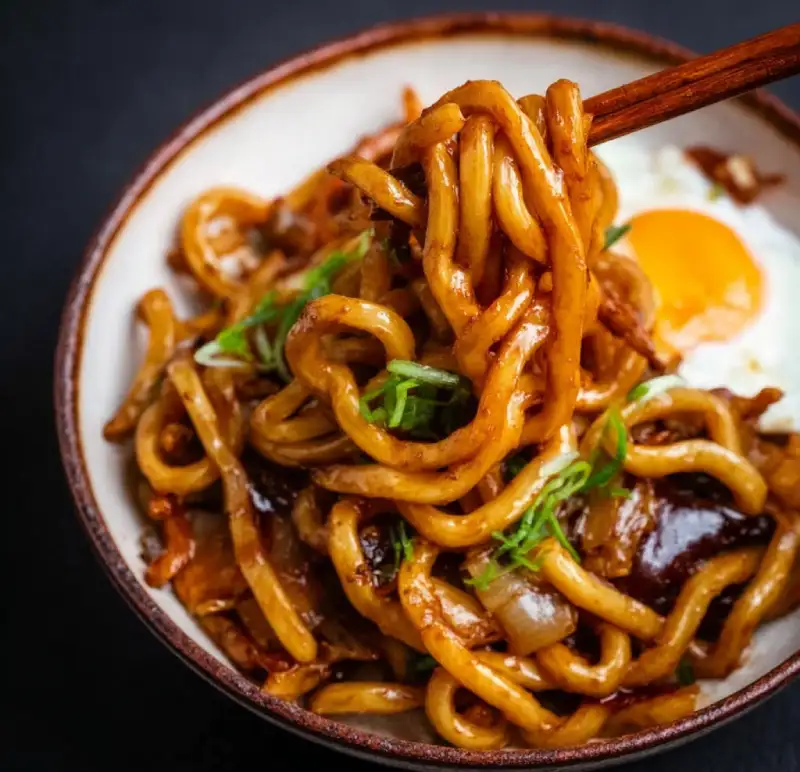
Yaki Udon: Best 15 Recipes You Can Easily Make
Table of Contents
- Introduction: Your Yaki Udon Adventure Begins!
- Why You’ll Love These Yaki Udon Recipes
- The Essential Ingredients for Perfect Yaki Udon
- 15 Best Yaki Udon Recipes You Can Easily Make
- Expert Tips for Delicious Yaki Udon
- Serving Suggestions and Garnishes
- Storing Leftover Yaki Udon
- Variations and Customizations
- Conclusion: Enjoy Your Homemade Yaki Udon!
- F.A.Q
Welcome to your culinary journey into the world of Yaki Udon! This post is dedicated to helping you discover the Yaki Udon: Best 15 Recipes You Can Easily Make, transforming your kitchen into a Japanese noodle haven. Get ready to stir-fry your way to a delicious meal that’s both comforting and exciting.
Whether you’re a seasoned chef or a kitchen beginner, these Yaki Udon recipes are designed to be straightforward and incredibly flavorful. Let’s dive in and create some amazing dishes together!
Introduction: Your Yaki Udon Adventure Begins!
Yaki Udon is a beloved Japanese stir-fried noodle dish, famous for its thick, chewy udon noodles tossed with a savory sauce, vegetables, and often some form of protein. It’s a quick, versatile, and incredibly satisfying meal that’s perfect for any day of the week.
From bustling street food stalls to cozy home kitchens, Yaki Udon holds a special place in Japanese cuisine. It’s an ideal dish for using up ingredients you have on hand and adapting to your taste preferences.
Why You’ll Love These Yaki Udon Recipes
There are so many reasons to fall in love with these easy Yaki Udon recipes. They are incredibly quick to prepare, often coming together in under 30 minutes, making them perfect for busy weeknights.
Beyond speed, their versatility is unmatched. You can customize them with your favorite vegetables, meats, or tofu, ensuring every bowl is exactly how you like it. Plus, the combination of chewy noodles and a rich, umami sauce is simply irresistible!
The Essential Ingredients for Perfect Yaki Udon
Creating fantastic Yaki Udon starts with a few key ingredients. While variations abound, these staples form the backbone of any delicious bowl of stir-fried noodles:
- **Udon Noodles:** Fresh or frozen pre-cooked udon noodles are best for their perfect chewy texture.
- **Protein:** Sliced pork belly, chicken, shrimp, or tofu are common choices.
- **Vegetables:** Cabbage, carrots, onions, mushrooms, and bell peppers add crunch and nutrition.
- **Yaki Udon Sauce:** A blend of soy sauce, mirin, sake (optional), and sugar. Sometimes dashi is included for extra depth.
- **Oil:** Vegetable oil or sesame oil for stir-frying.
- **Garnish:** Katsuobushi (bonito flakes), pickled ginger, green onions, and toasted sesame seeds are popular.
Having these on hand will set you up for a fantastic Japanese stir-fry experience!
15 Best Yaki Udon Recipes You Can Easily Make
Ready to get cooking? Here are three fantastic Yaki Udon recipes to get you started. Remember, these are just the beginning; feel free to experiment with the other 12 variations on your own!
Classic Yaki Udon Recipe
This traditional recipe embodies the authentic flavors of Japanese home cooking. It’s savory, slightly sweet, and utterly satisfying.
Ingredients:
- 1 tbsp vegetable oil
- 4 oz pork belly or thin-sliced chicken, cut into bite-sized pieces
- 1/2 onion, thinly sliced
- 1 cup sliced cabbage
- 1/2 carrot, julienned
- 4 oz shiitake mushrooms, sliced
- 2 packs (7 oz each) pre-cooked udon noodles
- 2 tbsp soy sauce
- 1 tbsp mirin
- 1 tsp sugar
- 1 tbsp sake (optional)
- Pinch of black pepper
- Garnish: Green onions, katsuobushi (bonito flakes)
Instructions:
- Heat vegetable oil in a large skillet or wok over medium-high heat. Add pork belly (or chicken) and cook until browned and cooked through, about 3-5 minutes. Remove from pan and set aside.
- Add onion, cabbage, carrot, and mushrooms to the same pan. Stir-fry for 3-4 minutes until vegetables are slightly tender-crisp.
- Add udon noodles to the pan. If using frozen, run them under hot water briefly to loosen, then drain well.
- In a small bowl, whisk together soy sauce, mirin, sugar, sake (if using), and black pepper to create the Yaki Udon sauce.
- Pour the sauce over the noodles and vegetables. Add the cooked pork/chicken back into the pan. Toss everything gently to combine and heat through, ensuring the noodles are fully coated in the sauce. This should take 2-3 minutes.
- Serve immediately, garnished with chopped green onions and katsuobushi.
For more detailed techniques, Read our in-depth guide here.
Vegetarian Yaki Udon Recipe
Packed with vibrant vegetables and a savory sauce, this meat-free Yaki Udon is just as delicious and satisfying.
Ingredients:
- 1 tbsp sesame oil
- 6 oz firm tofu, pressed and cubed
- 1/2 red bell pepper, sliced
- 1 cup broccoli florets
- 1 cup baby spinach
- 4 oz mixed mushrooms (shiitake, cremini), sliced
- 2 packs (7 oz each) pre-cooked udon noodles
- 2 tbsp soy sauce
- 1 tbsp mirin
- 1 tsp sugar
- 1/2 tsp ginger, grated
- Garnish: Toasted sesame seeds, chili flakes
Instructions:
- Heat sesame oil in a large skillet or wok over medium-high heat. Add tofu cubes and cook until golden brown and slightly crispy on all sides, about 5-7 minutes. Remove and set aside.
- Add bell pepper, broccoli, and mushrooms to the pan. Stir-fry for 4-5 minutes until vegetables are tender-crisp.
- Add udon noodles and baby spinach to the pan.
- In a small bowl, whisk together soy sauce, mirin, sugar, and grated ginger.
- Pour the sauce over the noodles and vegetables. Return the cooked tofu to the pan. Toss everything gently to combine and heat through until the spinach wilts and noodles are well coated.
- Serve hot, garnished with toasted sesame seeds and a sprinkle of chili flakes if desired.
Spicy Yaki Udon Recipe
For those who love a kick, this spicy version of Yaki Udon adds a fiery depth to the classic flavors.
Ingredients:
- 1 tbsp vegetable oil
- 4 oz shrimp, peeled and deveined
- 1/2 onion, sliced
- 1 cup bok choy, chopped
- 1/2 red bell pepper, sliced
- 2 packs (7 oz each) pre-cooked udon noodles
- 2 tbsp soy sauce
- 1 tbsp mirin
- 1 tsp sugar
- 1-2 tsp gochujang (Korean chili paste) or sriracha, to taste
- 1 clove garlic, minced
- Garnish: Chopped peanuts, fresh cilantro
Instructions:
- Heat vegetable oil in a large skillet or wok over medium-high heat. Add shrimp and cook until pink and opaque, about 2-3 minutes per side. Remove and set aside.
- Add onion, bok choy, and red bell pepper to the same pan. Stir-fry for 3-4 minutes until vegetables are slightly tender.
- Add udon noodles and minced garlic to the pan.
- In a small bowl, whisk together soy sauce, mirin, sugar, and gochujang (or sriracha).
- Pour the spicy sauce over the noodles and vegetables. Return the cooked shrimp to the pan. Toss everything gently to combine and heat through, ensuring the noodles are thoroughly coated.
- Serve immediately, garnished with chopped peanuts and fresh cilantro for an extra crunch and flavor burst.
Expert Tips for Delicious Yaki Udon
To elevate your Yaki Udon game, consider these expert tips. Proper preparation can make all the difference in achieving that perfect restaurant-quality taste and texture with your stir-fried noodles.
- **Prep Ahead:** Have all your ingredients chopped and measured before you start cooking. Stir-frying happens fast!
- **Don’t Overcrowd the Pan:** Cook proteins and vegetables in batches if necessary to ensure they brown properly and don’t steam.
- **Perfect Noodles:** If using vacuum-sealed udon, rinse them under hot water to loosen before adding to the pan. This prevents clumping.
- **High Heat:** Stir-fry on medium-high to high heat to get a nice sear on your ingredients and prevent sogginess.
- **Balance the Sauce:** Taste your sauce before adding it. Adjust soy sauce for saltiness, sugar for sweetness, and mirin for a subtle tang.
Serving Suggestions and Garnishes
A well-garnished plate of Yaki Udon not only looks appealing but also adds layers of flavor and texture. Here are some popular options:
- **Katsuobushi (Bonito Flakes):** These paper-thin flakes dance on the hot noodles, adding a distinct umami flavor.
- **Aonori (Dried Seaweed Flakes):** A sprinkle adds a touch of oceanic flavor and vibrant green color.
- **Benishoga (Pickled Red Ginger):** Its sharp, tangy flavor cuts through the richness of the stir-fry.
- **Chopped Green Onions/Scallions:** For freshness and a mild oniony bite.
- **Toasted Sesame Seeds:** Adds a nutty crunch and visual appeal.
- **Shichimi Togarashi (Japanese Seven Spice Blend):** For those who enjoy an extra layer of spice and complexity.
Serve your udon noodles hot and fresh, perhaps alongside a simple side salad or miso soup for a complete meal.
Storing Leftover Yaki Udon
While Yaki Udon is best enjoyed fresh, you can certainly store leftovers for a quick meal later. Allow the dish to cool completely before transferring it to an airtight container.
Store in the refrigerator for up to 2-3 days. When reheating, gently warm it in a microwave or a skillet over medium heat, adding a splash of water or a tiny bit of soy sauce if the noodles seem dry. Be careful not to overcook the noodles, as they can become mushy.
Variations and Customizations
The beauty of Yaki Udon lies in its adaptability! Don’t hesitate to get creative with your ingredients and make it your own.
- **Protein Swaps:** Experiment with sliced beef, ground meat, seafood mix, or different types of tofu (fried, silken).
- **Vegetable Medley:** Beyond the common choices, try adding bean sprouts, snow peas, water chestnuts, or corn.
- **Sauce Enhancements:** A dash of oyster sauce for extra richness, a bit of chili garlic sauce for heat, or a touch of miso paste for deeper umami. For an authentic touch, explore more about Japanese stir-fry sauces here.
- **Noodle Alternatives:** While udon is classic, you can try this recipe with thick ramen noodles or even soba noodles for a different texture.
- **Egg Topping:** A fried egg or a soft-boiled egg can add a creamy richness to your dish.
Conclusion: Enjoy Your Homemade Yaki Udon!
You’ve now got the tools and inspiration to embark on your own Yaki Udon adventure! From classic preparations to spicy variations and endless customizations, these recipes offer something for everyone.
Whip up a batch tonight and savor the comforting flavors of this incredible Japanese stir-fried noodle dish. Happy cooking!
F.A.Q
What kind of udon noodles are best for Yaki Udon?
For Yaki Udon, pre-cooked, vacuum-sealed udon noodles (found in the refrigerated or frozen section of most Asian grocery stores) are highly recommended. They have a wonderfully chewy texture and cook quickly. Fresh udon can also be used, but dried udon needs to be cooked first and might not achieve the same desired chewiness.
Can I make Yaki Udon gluten-free?
Yes, you can! Substitute regular udon noodles with gluten-free rice noodles (like thick rice vermicelli) or 100% buckwheat soba noodles. Ensure your soy sauce is replaced with tamari, and check all other sauce ingredients (like mirin) for hidden gluten to make the dish entirely gluten-free.
What’s the difference between Yaki Udon and Yakisoba?
The main difference lies in the noodles used. Yaki Udon features thick, chewy udon noodles, while Yakisoba uses thinner, wheat-based ramen-style noodles. Both are Japanese stir-fried noodle dishes, but their distinct noodle textures create very different eating experiences, even if the sauces can be quite similar.