


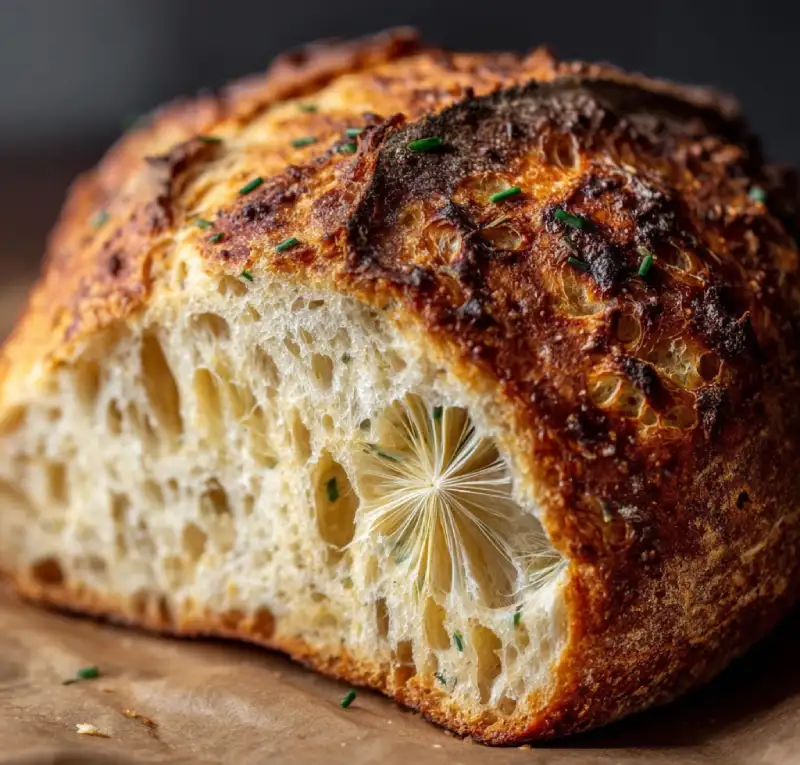
Unlock Dandelion Bread Delight: Your Next Bake!
Imagine a bread that’s not just incredibly soft and tender, but also carries a subtle, earthy sweetness, kissed with the golden hue of sunshine. That, my friends, is the magic of Dandelion Bread Delight. This isn’t just another bread recipe; it’s an invitation to transform a common garden ‘weed’ into an extraordinary culinary experience. Get ready to impress your taste buds and your guests with a loaf that’s as beautiful as it is delicious.
From Yard to Table: My Dandelion Discovery
My journey into dandelion baking began on a sunny spring afternoon, admiring the vibrant yellow blossoms dotting my lawn. I’d heard whispers of dandelion wine and salads, but bread? The idea intrigued me. After some experimentation, I discovered that the delicate petals, when properly prepared, lend a unique, almost honeyed note and a gorgeous color to a classic bread dough. It was a revelation, turning a simple foraging adventure into a truly delightful baking project. And now, I’m thrilled to share this discovery with you!
Why This Dandelion Bread Recipe is a Must-Try
- Uniquely Earthy Flavor Profile: Forget any bitterness you might associate with dandelions. When only the petals are used, they impart a delicate, slightly sweet, and subtly earthy flavor that is truly captivating and unlike any other bread you’ve tasted.
- Perfectly Soft and Tender Texture: This recipe is meticulously crafted to ensure a bread that is incredibly soft, with a fine, tender crumb that practically melts in your mouth. It’s perfect for slicing, toasting, or simply tearing off a piece.
- Beautiful Golden Hue: The dandelion petals infuse the dough with a stunning, natural golden color, making each slice a visual delight. It’s a bread that looks as good as it tastes!
- Surprisingly Simple to Master: Don’t let the unique ingredient intimidate you. This recipe breaks down the process into clear, manageable steps, making it accessible and enjoyable for bakers of all skill levels. You’ll be a dandelion bread pro in no time!
Ingredients for Dandelion Bread Delight & Smart Substitutions
Here is what you need and why:
Fresh Dandelion Petals: The Flavor Core (Why only petals?): This is the star of our Dandelion Bread Delight! It’s crucial to use only the yellow petals, carefully separated from the green base (calyx). The green parts contain a milky sap that can impart bitterness, which we want to avoid for our sweet and tender bread. Aim for dandelions that haven’t been sprayed with pesticides and are picked away from busy roads.
Flour Choice: All-Purpose vs. Bread Flour (Impact on chew): I recommend using unbleached all-purpose flour for a beautifully tender crumb. If you prefer a chewier bread, you can substitute up to half of the all-purpose flour with bread flour, which has a higher protein content. For a lighter texture, you could even try a small amount of cake flour.
Leavening Agents: Yeast’s Role (Active Dry vs. Instant): This recipe calls for active dry yeast, which needs to be proofed in warm liquid. If you’re using instant yeast, you can typically mix it directly with the dry ingredients, but I still recommend proofing it to ensure it’s active and to kickstart the fermentation process for better flavor development.
Sweetener: Honey or Maple Syrup (Flavor compatibility): Honey complements the subtle floral notes of the dandelion petals beautifully. You can substitute with maple syrup for a slightly different, but equally delicious, sweetness. Granulated sugar can also be used, but honey or maple syrup add a lovely depth of flavor and moisture.
Fat: Butter or Oil (Moisture and richness): Unsalted butter, melted and slightly cooled, provides richness and contributes to the bread’s tender texture. For a dairy-free option, a neutral-flavored oil like canola or vegetable oil can be used in the same quantity.
Dairy: Milk or Plant-Based Alternative (Crumb texture): Whole milk adds richness and helps create a soft, moist crumb. For a dairy-free alternative, unsweetened almond milk or oat milk works wonderfully, maintaining a good crumb texture.
Salt: Balancing Sweetness and Flavor: A good quality fine sea salt is essential. It doesn’t just season the bread; it balances the sweetness and enhances all the other flavors, making the Dandelion Bread Delight truly sing.
Baking Dandelion Bread: A Step-by-Step Guide
Follow these step-by-step instructions to create your perfect loaf of Dandelion Bread Delight:
1. Preparing Your Dandelions: Cleaning and Harvesting Tips
First, gather your dandelions from an unsprayed area. Gently pull the yellow petals from the green base. This is the most time-consuming step, but crucial for avoiding bitterness. You should have a fluffy pile of bright yellow petals. Give them a quick, gentle rinse and pat them dry with a paper towel.
2. Activating the Yeast: The Proof is in the Bubbles
In a small bowl, combine the warm milk (around 105-115°F / 40-46°C), a pinch of sugar, and the active dry yeast. Stir gently and let it sit for 5-10 minutes. You should see a foamy layer form on top, indicating your yeast is alive and ready to work its magic. If it doesn’t foam, your yeast might be old or the liquid wasn’t the right temperature, and you’ll need to start again.
3. Mixing the Dough: Achieving the Right Consistency
In a large mixing bowl, combine the flour, remaining sugar, and salt. Add the activated yeast mixture, melted butter, and the dandelion petals. Mix with a wooden spoon or a stand mixer with a dough hook until a shaggy dough forms. Turn it out onto a lightly floured surface and knead for 8-10 minutes until the dough is smooth, elastic, and no longer sticky. It should spring back when gently poked.
4. First Rise: Creating Air and Flavor
Lightly grease a clean bowl. Place the kneaded dough in the bowl, turning it once to coat. Cover the bowl with plastic wrap or a clean kitchen towel and let it rise in a warm, draft-free place for 1 to 1.5 hours, or until it has doubled in size. This first rise is essential for developing flavor and a light texture.
5. Shaping the Loaf: Techniques for a Beautiful Bread
Gently punch down the risen dough to release the air. Turn it out onto a lightly floured surface. Shape the dough into a tight loaf. You can do this by flattening it into a rectangle, then rolling it up tightly from one long side, pinching the seam closed. Place the shaped loaf into a greased 9×5 inch loaf pan.
6. Second Rise: The Final Proof for Lightness
Cover the loaf pan loosely with plastic wrap or a kitchen towel and let it rise again in a warm place for another 30-45 minutes, or until it has nearly doubled in size and looks puffy. This second rise ensures a light and airy final product.
7. Baking to Perfection: Temperature and Time
Preheat your oven to 375°F (190°C). Bake the Dandelion Bread Delight for 30-35 minutes, or until the crust is golden brown and the internal temperature reaches 200-210°F (93-99°C) when measured with an instant-read thermometer. If the top browns too quickly, you can loosely tent it with foil. Once baked, remove the bread from the pan immediately and let it cool completely on a wire rack before slicing. This prevents the bottom from becoming soggy and allows the internal structure to set.
Expert Tips for Dandelion Bread Success
- Don’t Skip the Dandelion Petal Prep: Seriously, this is key! Removing all green parts ensures your bread is sweet, not bitter. It’s a labor of love, but worth every minute.
- Temperature Control for Yeast Activation: Yeast is a living organism. Too hot, and you kill it; too cold, and it won’t activate. Aim for milk between 105-115°F (40-46°C) for optimal results.
- Kneading Duration: Avoid Over- and Under-Kneading: Under-kneading results in a dense, crumbly bread. Over-kneading can make it tough. Aim for a dough that’s smooth, elastic, and passes the windowpane test (you can stretch a small piece thin enough to see light through it without tearing).
- The Steam Trick for a Crispy Crust: For a beautiful, slightly crispy crust, place a shallow pan of hot water on the bottom rack of your oven during the first 10-15 minutes of baking. The steam helps the crust develop.
- Knowing When Your Bread is Done: Internal Temperature Guide: The best way to tell if your bread is fully baked is by its internal temperature. An instant-read thermometer inserted into the center of the loaf should read between 200-210°F (93-99°C).
Serving Suggestions for Dandelion Bread Delight
Sweet Pairings: Jams, Honey, and Fruit
This Dandelion Bread Delight is absolutely divine with a smear of homemade berry jam, a drizzle of local honey, or a dollop of lemon curd. It also pairs beautifully with fresh fruit like sliced peaches or berries for a delightful breakfast or afternoon treat. Imagine it toasted with a sprinkle of cinnamon sugar – pure bliss!
Savory Complements: Cheese, Soups, and Spreads
While it leans sweet, the subtle earthiness of this bread makes it a surprisingly good companion for savory items. Try it alongside a mild goat cheese or a creamy brie. It’s also fantastic for dipping into a hearty vegetable soup or stew, or as a base for a light avocado toast. The possibilities are endless!
Storing and Reheating Your Dandelion Bread
Keeping it Fresh: Room Temperature and Freezing Options
To keep your Dandelion Bread Delight fresh, store it at room temperature in an airtight container or a bread box for up to 3-4 days. For longer storage, this bread freezes beautifully! Once completely cooled, slice the loaf and place the slices in a freezer-safe bag or container, separating layers with parchment paper. It will keep well for up to 3 months.
Reheating for Optimal Enjoyment
To reheat, you can toast individual slices directly from frozen or thawed. For a whole loaf, wrap it in foil and warm in a 300°F (150°C) oven for 10-15 minutes, or until heated through. This will bring back that lovely soft texture and warm aroma, making it taste freshly baked again. For more baking tips and delightful recipes, be sure to see more easy recipes on our site!
Frequently Asked Questions
Can I use dried dandelion petals?
What if my dough isn’t rising?
Is dandelion bread bitter?
Can I make this recipe gluten-free?
How long do fresh dandelion petals last?
For more expert baking advice and to explore a world of delicious recipes, check out resources like King Arthur Baking.
Dandelion Bread Delight
- Total Time: 1 hour 5 minutes
- Yield: 1 loaf (12 slices)
Description
Discover the best flavor of dandelion bread delight with this easy to bake, step-by-step recipe. Perfect for any occasion!
Ingredients
- 1 cup (240ml) warm whole milk (105-115°F / 40-46°C)
- 2 ¼ teaspoons (1 standard packet) active dry yeast
- ¼ cup (50g) granulated sugar, divided
- ¼ cup (60g) unsalted butter, melted and slightly cooled
- 1 teaspoon fine sea salt
- 3 to 3 ½ cups (360-420g) unbleached all-purpose flour, plus more for dusting
- ½ cup (packed) fresh dandelion petals (from about 2–3 cups of whole dandelion heads)
Instructions
- 1. Prepare Dandelions: Carefully separate yellow dandelion petals from green bases. Rinse gently and pat dry.
- 2. Activate Yeast: In a small bowl, combine warm milk, 1 teaspoon of sugar, and yeast. Stir and let sit 5-10 minutes until foamy.
- 3. Mix Dough: In a large bowl, whisk flour, remaining sugar, and salt. Add yeast mixture, melted butter, and dandelion petals. Mix until a shaggy dough forms.
- 4. Knead: Turn dough onto a lightly floured surface and knead for 8-10 minutes until smooth and elastic.
- 5. First Rise: Place dough in a lightly greased bowl, cover, and let rise in a warm place for 1 to 1.5 hours, or until doubled.
- 6. Shape Loaf: Gently punch down dough, turn onto a floured surface, and shape into a loaf. Place in a greased 9×5 inch loaf pan.
- 7. Second Rise: Cover loaf pan and let rise for 30-45 minutes, or until nearly doubled.
- 8. Bake: Preheat oven to 375°F (190°C). Bake for 30-35 minutes, or until golden brown and internal temperature reaches 200-210°F (93-99°C).
- 9. Cool: Remove from pan immediately and cool completely on a wire rack before slicing.
- Prep Time: 30 mins
- Cook Time: 35 mins