


Table of Contents
- Introduction: Your New Favorite Deviled Egg Addiction
- Why This Fried Deviled Egg Recipe Works
- Ingredients & Smart Substitutions for Fried Deviled Eggs
- Step-by-Step Guide: Crafting Your Fried Deviled Eggs
- Expert Tips for Fried Deviled Egg Success
- What to Serve With Your Fried Deviled Eggs
- Storing and Reheating Fried Deviled Eggs
- Fried Deviled Eggs FAQ
Introduction: Your New Favorite Deviled Egg Addiction
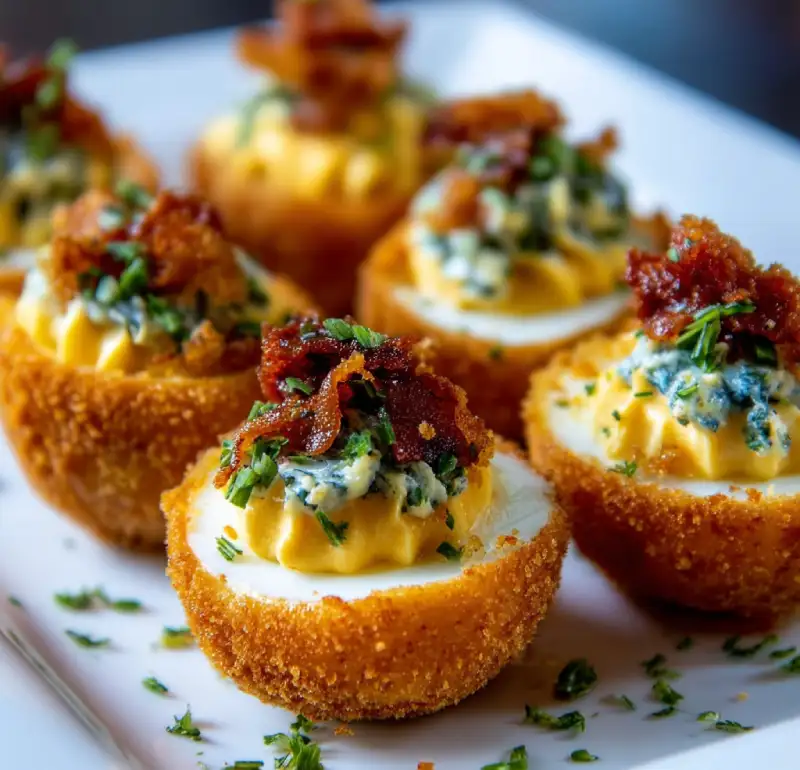
Forget everything you thought you knew about deviled eggs. We’re about to embark on a culinary adventure that takes this classic appetizer from humble picnic staple to show-stopping, crispy, creamy sensation. Imagine: a perfectly seasoned, rich deviled egg filling, encased in a golden, crunchy panko crust, served warm. That’s the magic of fried deviled eggs, and trust me, they are about to become your new favorite party addiction.
Why will fried deviled eggs be your next party hit? Because they offer an unexpected textural contrast that will blow your guests’ minds. The moment they bite through that crisp exterior into the velvety yolk filling, they’ll be hooked. It’s familiar, yet utterly novel, and guaranteed to spark conversation and delight. My journey to the perfect fried deviled egg involved countless experiments, tweaking ratios, and perfecting the breading technique. The result? A recipe that delivers on every promise: crispy, creamy, and unbelievably delicious.
Why This Fried Deviled Egg Recipe Works
- The Irresistible Crispy Exterior: Our secret lies in the double-dip breading and the use of panko breadcrumbs, which create an incredibly light, airy, and shatteringly crisp crust that holds up beautifully to frying.
- Creamy, Flavorful Yolk Filling: We stick to the beloved classic deviled egg filling, ensuring it’s perfectly seasoned with a balance of tang, richness, and a hint of spice, providing a comforting contrast to the fried shell.
- The Surprising Texture Contrast: This recipe masterfully plays with textures – the warm, crunchy exterior gives way to a cool, smooth, and creamy interior, creating a truly unique and satisfying bite that elevates the humble egg.
- Elevating a Classic Appetizer: By frying, we transform a well-loved, sometimes predictable, appetizer into something extraordinary and memorable, making it a standout dish at any gathering.
Ingredients & Smart Substitutions for Fried Deviled Eggs
Here is what you need and why:
Eggs: Hard-Boiled Perfection is Key: You’ll need about 12 large eggs. The key here is perfectly hard-boiled eggs that are easy to peel and have a vibrant yellow yolk. Overcooked eggs will have a grey ring, which we want to avoid for aesthetics and texture.
Mayonnaise: The Creamy Binder (Why Full-Fat Matters): About 1/2 cup of good quality, full-fat mayonnaise is essential. It provides the richness and creamy texture that defines deviled eggs. While you can use light mayo, full-fat offers superior flavor and mouthfeel.
Dijon Mustard: The Flavor Punch: 1 tablespoon of Dijon mustard adds a sharp, tangy kick that balances the richness of the mayo and egg yolks. Yellow mustard can be substituted, but Dijon offers a more sophisticated flavor profile.
Vinegar/Pickle Juice: Balancing Act for Brightness: 1-2 teaspoons of white vinegar or pickle juice brightens the filling and cuts through the richness. Start with one teaspoon and add more to taste. Pickle juice adds an extra layer of briny flavor.
Hot Sauce: A Hint of Heat (Optional, But Recommended): A few dashes of your favorite hot sauce (like Tabasco or Frank’s RedHot) adds a subtle warmth and depth. Adjust to your spice preference.
Seasoning: Salt, Pepper, and a Dash of Paprika: Salt and freshly ground black pepper are crucial for bringing out the flavors. A pinch of paprika (smoked or sweet) adds color and a touch of earthy sweetness to the filling.
Breading Station: Flour, Egg Wash, Panko (Why Panko Over Breadcrumbs): You’ll need 1/2 cup all-purpose flour, 2 large eggs (beaten for the egg wash), and 1 1/2 cups panko breadcrumbs. Panko is non-negotiable here! Its larger, flakier texture creates a much crispier, lighter crust than regular breadcrumbs, which can become dense and heavy when fried.
Oil for Frying: Choosing the Right High-Smoke Point Oil: About 4-6 cups of a neutral, high-smoke point oil like canola, vegetable, or peanut oil. These oils can withstand the high temperatures needed for frying without burning, ensuring a clean, crisp finish. For more on choosing the right oil, check out Food Network’s guide to cooking oils.
Step-by-Step Guide: Crafting Your Fried Deviled Eggs
Follow these step-by-step instructions to create your perfect fried deviled eggs:
1. Prepping Your Hard-Boiled Eggs (The Peel Trick)
Start with perfectly hard-boiled eggs. Once cooked, immediately transfer them to an ice bath for 5-10 minutes. This stops the cooking process and helps the shells peel away easily. Gently tap and roll the eggs on a hard surface to crack the shell all over, then peel under cool running water. Slice each egg in half lengthwise and carefully scoop out the yolks into a medium bowl, placing the whites on a plate.
2. Making the Classic Deviled Egg Filling
To the scooped yolks, add the mayonnaise, Dijon mustard, vinegar (or pickle juice), hot sauce (if using), salt, and pepper. Mash everything together with a fork until completely smooth and creamy. Taste and adjust seasonings as needed. You want a vibrant, well-balanced flavor.
3. Assembling the Egg Halves for Frying
Spoon or pipe the yolk filling back into the hollows of the egg white halves. Be generous! Gently press the two filled halves back together to form a whole egg shape. Don’t worry if they don’t perfectly seal; the breading will help hold them. Place the reassembled eggs on a plate and chill in the refrigerator for at least 30 minutes. This firming-up step is crucial for successful breading.
4. Setting Up Your Breading Station
Prepare your breading station: In three separate shallow dishes, place the all-purpose flour, the beaten eggs (for the egg wash), and the panko breadcrumbs. Season the flour lightly with salt and pepper.
5. The Art of Double-Dipping and Coating
Working with one reassembled egg at a time, first dredge it thoroughly in the flour, shaking off any excess. Next, dip it into the egg wash, ensuring it’s fully coated. Finally, roll it generously in the panko breadcrumbs, pressing gently to ensure the panko adheres well. Repeat the egg wash and panko steps for a second coating – this double-dip is key for maximum crispiness and to prevent the filling from leaking. Place the breaded eggs on a clean plate.
6. Frying for Golden Perfection: Temperature and Time
Heat 4-6 cups of high-smoke point oil in a deep pot or Dutch oven over medium-high heat until it reaches 350-375°F (175-190°C). Use a thermometer to monitor the temperature. Carefully lower 2-3 breaded eggs into the hot oil (don’t overcrowd the pot). Fry for 2-3 minutes, turning occasionally, until golden brown and crispy all over. The goal is to heat through and crisp the exterior, not to cook the egg further.
7. Draining and Seasoning Immediately
Using a slotted spoon, carefully remove the fried deviled eggs from the oil and transfer them to a wire rack set over a paper towel-lined baking sheet to drain excess oil. Immediately sprinkle with a pinch of salt and a dash of paprika while they are still hot. Serve warm and enjoy your incredible creation!
Expert Tips for Fried Deviled Egg Success
- Don’t Overcook Your Hard-Boiled Eggs!: Overcooked yolks can be crumbly and have an unappealing grey ring. Aim for firm but still vibrant yellow yolks.
- Chill Your Filled Deviled Eggs Before Breading: This is a game-changer! Chilling helps the filling firm up, making the reassembled eggs easier to handle and less likely to fall apart during the breading process.
- Work in Batches for Even Frying: Overcrowding the pot will drop the oil temperature, leading to greasy, soggy eggs. Fry in small batches to maintain consistent oil temperature and ensure even crisping.
- Maintain Oil Temperature for Consistency: Use a deep-fry thermometer and adjust your heat as needed. If the oil is too cool, the eggs will absorb too much oil; if too hot, the breading will burn before the egg is heated through.
- Season Right After Frying: Salt and paprika adhere best to the hot, freshly fried surface, enhancing the flavor and presentation.
What to Serve With Your Fried Deviled Eggs
These fried deviled eggs are a showstopper on their own, but a few thoughtful garnishes and pairings can elevate them even further. For garnishes that pop, consider a sprinkle of fresh chives, a dusting of smoked paprika, or even some crispy crumbled bacon bits for an extra layer of flavor and texture. They look fantastic on a simple platter, perhaps nestled on a bed of fresh greens. For pairing with dips and sauces, a tangy remoulade, a spicy sriracha mayo, or even a sweet chili sauce can offer a delightful counterpoint to the rich egg. They make perfect party platters, disappearing quickly, so consider making a double batch! See more easy recipes for your next gathering.
Storing and Reheating Fried Deviled Eggs
For best practices for short-term storage, fried deviled eggs are truly best enjoyed fresh, while the crust is at its crispiest. If you have leftovers, store them in an airtight container in the refrigerator for up to 1-2 days. The breading will soften over time, but the flavor will still be delicious. Can you reheat fried deviled eggs? The truth is, reheating can be tricky. While you can gently warm them in an air fryer or oven at a low temperature (around 300°F/150°C) for 5-7 minutes to try and crisp up the coating, they will never be quite as good as fresh. Deep-frying them again is not recommended as it can lead to a greasy result. Embrace them as a fresh-fried delight!
Fried Deviled Eggs FAQ
Can I bake or air-fry these instead of deep-frying?
What’s the best way to get perfectly peelable hard-boiled eggs?
Can I make the filling ahead of time?
How do I prevent the breading from falling off?
Fried Deviled Eggs
- Total Time: 45 minutes
- Yield: 12 servings (24 halves)
Description
Transform classic deviled eggs into a crispy, golden sensation with this easy-to-follow recipe. Perfect for parties, these fried deviled eggs offer an irresistible texture contrast.
Ingredients
- 12 large eggs, hard-boiled and peeled
- 1/2 cup full-fat mayonnaise
- 1 tbsp Dijon mustard
- 1–2 tsp white vinegar or pickle juice
- Few dashes hot sauce (optional)
- Salt and freshly ground black pepper, to taste
- 1/2 cup all-purpose flour
- 2 large eggs, beaten (for egg wash)
- 1 1/2 cups panko breadcrumbs
- 4–6 cups neutral, high-smoke point oil for frying (canola, vegetable, or peanut)
- Paprika and fresh chives for garnish (optional)
Instructions
- 1. Prepare Eggs: Halve hard-boiled eggs lengthwise. Scoop yolks into a bowl; place whites on a plate.
- 2. Make Filling: Mash yolks with mayonnaise, Dijon, vinegar/pickle juice, hot sauce (if using), salt, and pepper until smooth.
- 3. Assemble Eggs: Spoon or pipe filling back into egg white halves. Gently press two filled halves together to form a whole egg. Chill for 30 minutes.
- 4. Set Up Breading Station: Place flour, beaten eggs, and panko in three separate shallow dishes. Season flour lightly.
- 5. Double-Coat Eggs: Dredge each reassembled egg in flour, then egg wash, then panko. Repeat egg wash and panko for a second coating.
- 6. Fry Eggs: Heat oil to 350-375°F (175-190°C). Fry eggs in batches for 2-3 minutes, turning, until golden brown and crispy.
- 7. Drain & Season: Remove to a wire rack over paper towels. Immediately sprinkle with salt and paprika. Serve warm.
- Prep Time: 30 mins
- Cook Time: 15 mins