


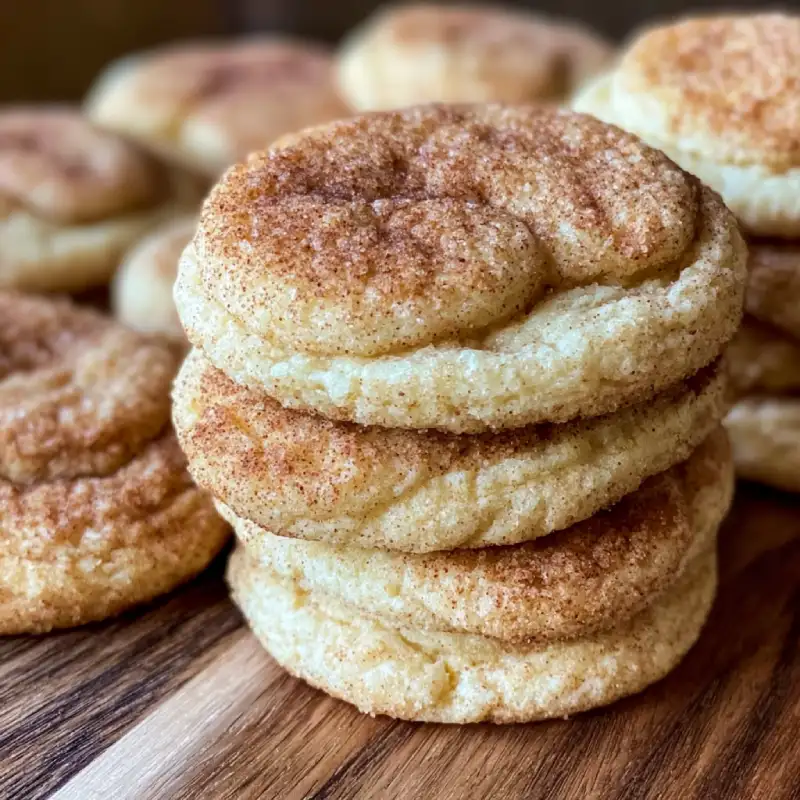
Introduction: Your New Favorite Snickerdoodle
Oh, the humble snickerdoodle! A classic for a reason, right? But let’s be honest, not all snickerdoodles are created equal. Some are flat, some are dry, and some just don’t deliver that magical, melt-in-your-mouth chewiness we all crave. Well, my friends, your search for the absolute best, most perfectly chewy Snickerdoodle Cookies ends right here, right now!
From My Kitchen to Yours: The Search for the Chewiest Snickerdoodle Ends Here. I’ve baked countless batches, tweaked ratios, experimented with temperatures, and finally, I’ve cracked the code. This isn’t just another snickerdoodle recipe; it’s the snickerdoodle recipe you’ll come back to again and again. Why This Recipe is a Game-Changer? Because it consistently delivers cookies that are soft in the center, slightly crisp at the edges, and bursting with that iconic cinnamon-sugar flavor. Prepare for cookie perfection!
Why This Recipe Delivers Unbeatable Chewy Snickerdoodles
- Perfect Texture: Achieving that Signature Chewiness. We’re talking about a cookie that bends, not breaks, with a tender crumb that practically melts in your mouth.
- Balanced Flavor: Cinnamon-Sugar Bliss Without Overpowering. The cinnamon-sugar coating is generous but never overwhelming, perfectly complementing the buttery cookie base.
- Simple Execution: Reliable Results Every Time. This recipe is designed for success, even for novice bakers. Follow the steps, and you’ll be rewarded with incredible chewy Snickerdoodle Cookies.
Ingredients and Their Purpose
Here is what you need and why:
Unsalted Butter: Temperature Matters for Creaming. Using unsalted butter allows you to control the salt content. More importantly, room temperature butter creams beautifully with sugar, incorporating air for a lighter texture. If it’s too cold, it won’t cream properly; too warm, and your cookies might spread too much.
Granulated Sugar: Beyond Sweetness – Key to Texture. While it provides sweetness, granulated sugar also contributes to the cookie’s structure and helps create that slightly crisp exterior while keeping the interior soft.
Eggs: The Binder and Moisture Provider. Eggs bind the ingredients together, add richness, and provide essential moisture, contributing significantly to the chewy texture. Make sure they’re at room temperature for better emulsification.
All-Purpose Flour: The Foundation, Don’t Overmix. Standard all-purpose flour provides the necessary structure. The key here is to measure it correctly (spoon and level!) and avoid overmixing, which can develop too much gluten and lead to tough cookies.
Cream of Tartar: The Essential Snickerdoodle Ingredient (No, You Can’t Skip It!). This is the secret weapon for snickerdoodles! Cream of tartar reacts with baking soda to give snickerdoodles their characteristic tangy flavor and contributes to their soft, chewy texture, preventing them from becoming too crisp.
Baking Soda: The Leavening Partner. Working in conjunction with cream of tartar, baking soda helps the cookies rise and spread slightly, creating that perfect cookie shape.
Salt: Flavor Enhancer and Balancer. A pinch of salt is crucial for balancing the sweetness and enhancing all the other flavors in the cookie. Don’t skip it!
Cinnamon and Sugar: The Iconic Coating – Ratio is King. This classic combination gives snickerdoodles their signature look and flavor. The right ratio ensures a beautiful, flavorful crust without being overly sweet or spicy.
Step-by-Step Instructions for Chewy Snickerdoodle Perfection
Follow these step-by-step instructions for the best chewy Snickerdoodle Cookies:
1. Prepare Your Workstation
Pre-heat your oven to 375°F (190°C). Line two baking sheets with parchment paper or silicone baking mats. Measure out all your ingredients before you begin – this is called ‘mise en place’ and makes baking so much smoother!
2. Creaming Butter and Sugar
In a large bowl, using an electric mixer (stand or hand-held), cream together the softened unsalted butter and granulated sugar on medium speed until light and fluffy, about 2-3 minutes. This step incorporates air, which is crucial for a tender cookie.
3. Adding Eggs
Beat in the eggs one at a time, mixing well after each addition until fully incorporated. Scrape down the sides of the bowl as needed to ensure everything is evenly combined. The mixture should look smooth and slightly pale.
4. Combining Dry Ingredients
In a separate medium bowl, whisk together the all-purpose flour, cream of tartar, baking soda, and salt. Whisking ensures these dry ingredients are evenly distributed, preventing pockets of leavening agents in your cookies.
5. Mixing Wet and Dry
Gradually add the dry ingredients to the wet ingredients, mixing on low speed until just combined. Do not overmix! Overmixing develops gluten, leading to tough cookies. Stop as soon as no streaks of flour remain.
6. Chilling the Dough
Cover the dough with plastic wrap and refrigerate for at least 30 minutes, or up to 2 hours. This chilling step is non-negotiable! It allows the flavors to meld, prevents excessive spreading, and results in a much chewier cookie. For more on the science of chilling dough, check out this great article from King Arthur Baking.
7. Rolling in Cinnamon-Sugar
While the dough chills, prepare your cinnamon-sugar coating. In a shallow bowl, combine the granulated sugar and ground cinnamon. Once chilled, scoop rounded tablespoons of dough (about 1.5-2 tablespoons each) and roll them into balls. Roll each ball generously in the cinnamon-sugar mixture until fully coated. Place them about 2 inches apart on your prepared baking sheets.
8. Baking for Chewy Centers
Bake for 8-10 minutes, or until the edges are set and lightly golden, but the centers still look slightly soft and puffy. This is the key to achieving that perfect chewy center! Don’t overbake.
9. Cooling Properly
Remove the baking sheets from the oven and let the cookies cool on the sheets for 5 minutes before transferring them to a wire rack to cool completely. This allows them to set up properly and prevents them from breaking, ensuring that delightful chewy texture.
Expert Tips for Snickerdoodle Success
- Don’t Skip the Cream of Tartar – Seriously! It’s what gives snickerdoodles their unique tangy flavor and contributes to their signature soft, chewy texture. There’s no true substitute for it in this recipe.
- The Importance of Chilling Dough: Why it Affects Texture. Chilling solidifies the butter, which means the cookies spread less in the oven, resulting in a thicker, chewier cookie. It also allows the flour to fully hydrate and the flavors to deepen.
- Achieving Uniform Cookie Size for Even Baking. Use a cookie scoop (1.5-2 tablespoons) to ensure all your cookies are the same size. This guarantees they bake evenly, preventing some from being underdone and others overbaked.
- Knowing When Your Cookies Are Done: The Delicate Balance. Look for edges that are just set and lightly golden, while the centers still appear slightly soft and puffy. They will continue to cook slightly on the hot baking sheet after removal.
- Storing Your Ingredients Correctly: Maximizing Freshness. Ensure your flour, sugar, and spices are stored in airtight containers in a cool, dark place to maintain their freshness and potency, which directly impacts the flavor of your cookies.
What to Serve with Your Chewy Snickerdoodles
These chewy Snickerdoodle Cookies are fantastic on their own, but here are some ideas to elevate your cookie experience:
- Classic Pairings: Milk, Coffee, Tea. A tall glass of cold milk is the quintessential pairing. They also go wonderfully with a warm cup of coffee or your favorite herbal tea.
- Dessert Combinations: Ice Cream, Fruit, Whipped Cream. Crumble them over vanilla bean ice cream, serve alongside fresh berries, or enjoy with a dollop of homemade whipped cream for an extra special treat.
- Holiday Spreads: Complementary Flavors. Their warm cinnamon notes make them perfect for holiday platters, complementing other festive treats like gingerbread or sugar cookies.
Storing and Reheating Your Snickerdoodles
To keep your chewy Snickerdoodle Cookies fresh and delicious:
- Best Storage Practices for Freshness: Store baked cookies in an airtight container at room temperature for up to 3-4 days. To maintain chewiness, you can even place a slice of bread in the container; the cookies will absorb moisture from the bread.
- Freezing Baked Cookies: Your Future Self Will Thank You: Once completely cooled, place baked cookies in a single layer on a baking sheet and freeze until solid. Then transfer them to a freezer-safe bag or container for up to 3 months. Thaw at room temperature.
- Reheating for That Just-Baked Experience: To enjoy a warm, just-baked cookie, pop a thawed or room-temperature cookie into the microwave for 10-15 seconds, or warm in a preheated oven at 275°F (135°C) for 5-7 minutes.
Frequently Asked Questions
What is cream of tartar and why is it in snickerdoodles?
Can I make these cookies without chilling the dough?
How do I prevent my snickerdoodles from spreading too much?
Why are my snickerdoodles dry?
Can I use brown sugar instead of granulated sugar?
Can I freeze the cookie dough?
Chewy Snickerdoodle Cookies
- Total Time: 30 minutes
- Yield: 24 cookies
Description
These classic Snickerdoodle Cookies are perfectly soft, wonderfully chewy, and coated in a delightful cinnamon-sugar blend. They’re guaranteed to be your new favorite cookie!
Ingredients
- 1 cup (2 sticks) unsalted butter, softened
- 1 ½ cups granulated sugar, plus ¼ cup for coating
- 2 large eggs, room temperature
- 2 ¾ cups all-purpose flour
- 2 teaspoons cream of tartar
- 1 teaspoon baking soda
- ½ teaspoon salt
- 2 tablespoons ground cinnamon, for coating
Instructions
- Preheat oven to 375°F (190°C). Line two baking sheets with parchment paper.
- In a large bowl, cream together softened butter and 1 ½ cups granulated sugar until light and fluffy (2-3 minutes).
- Beat in eggs one at a time, mixing well after each addition.
- In a separate bowl, whisk together flour, cream of tartar, baking soda, and salt.
- Gradually add dry ingredients to wet ingredients, mixing on low speed until just combined. Do not overmix.
- Cover dough and chill for at least 30 minutes.
- In a shallow bowl, combine ¼ cup granulated sugar and 2 tablespoons cinnamon for coating.
- Scoop rounded tablespoons of dough, roll into balls, and coat generously in cinnamon-sugar.
- Place on prepared baking sheets, 2 inches apart.
- Bake for 8-10 minutes, until edges are set and centers are slightly soft.
- Cool on baking sheets for 5 minutes, then transfer to a wire rack to cool completely.
- Prep Time: 20 mins
- Cook Time: 10 mins